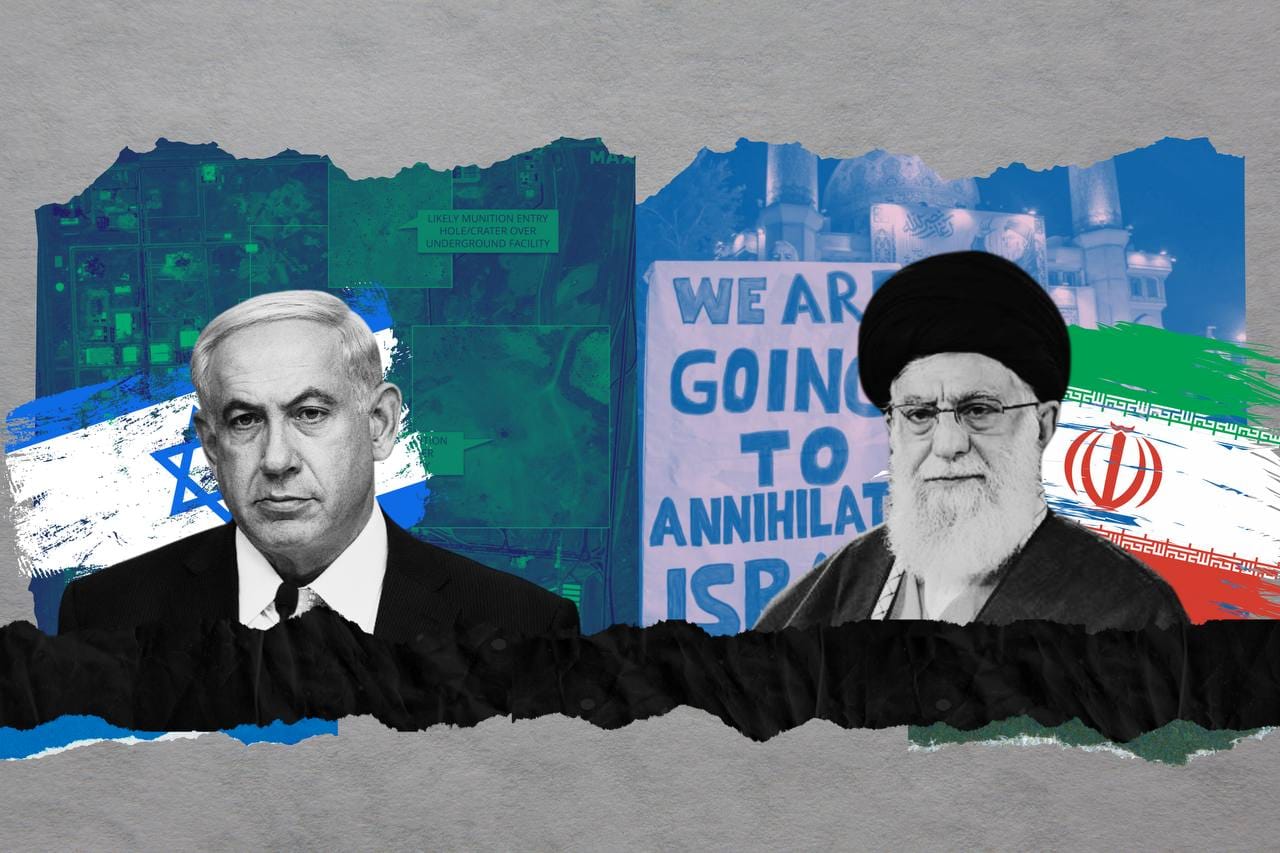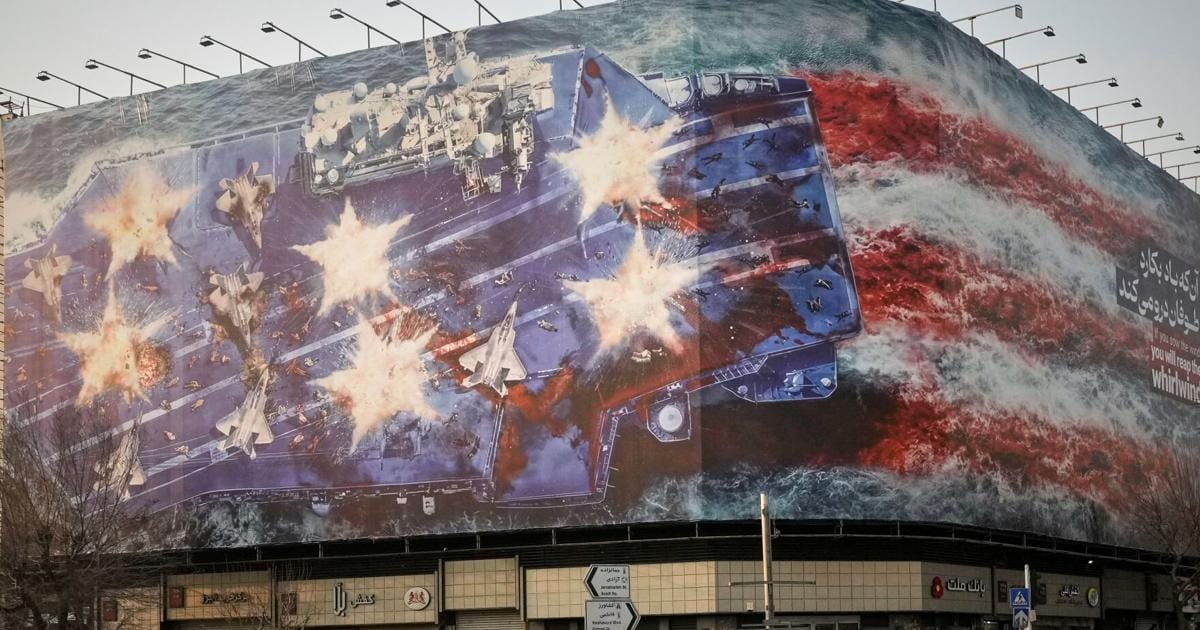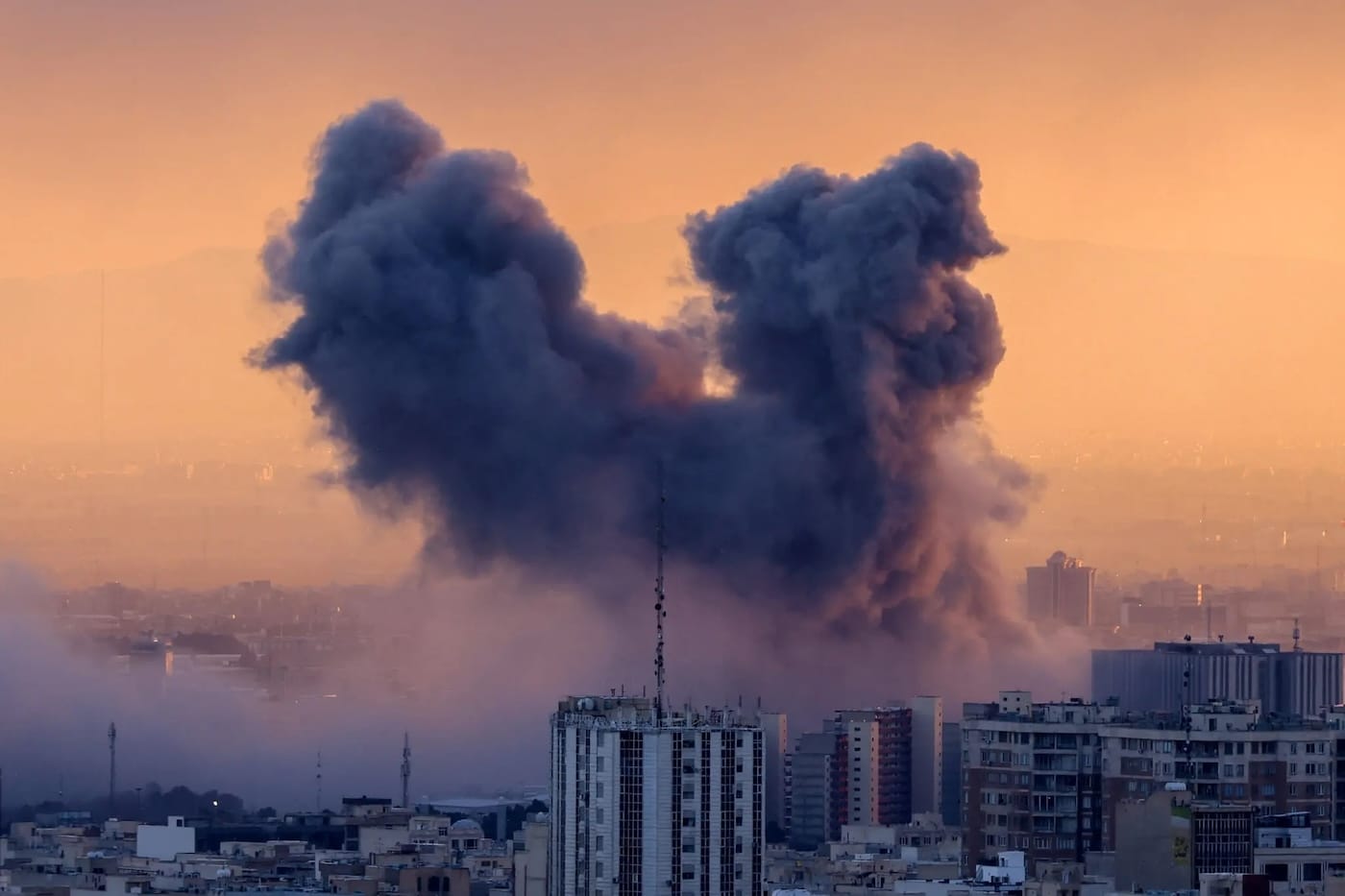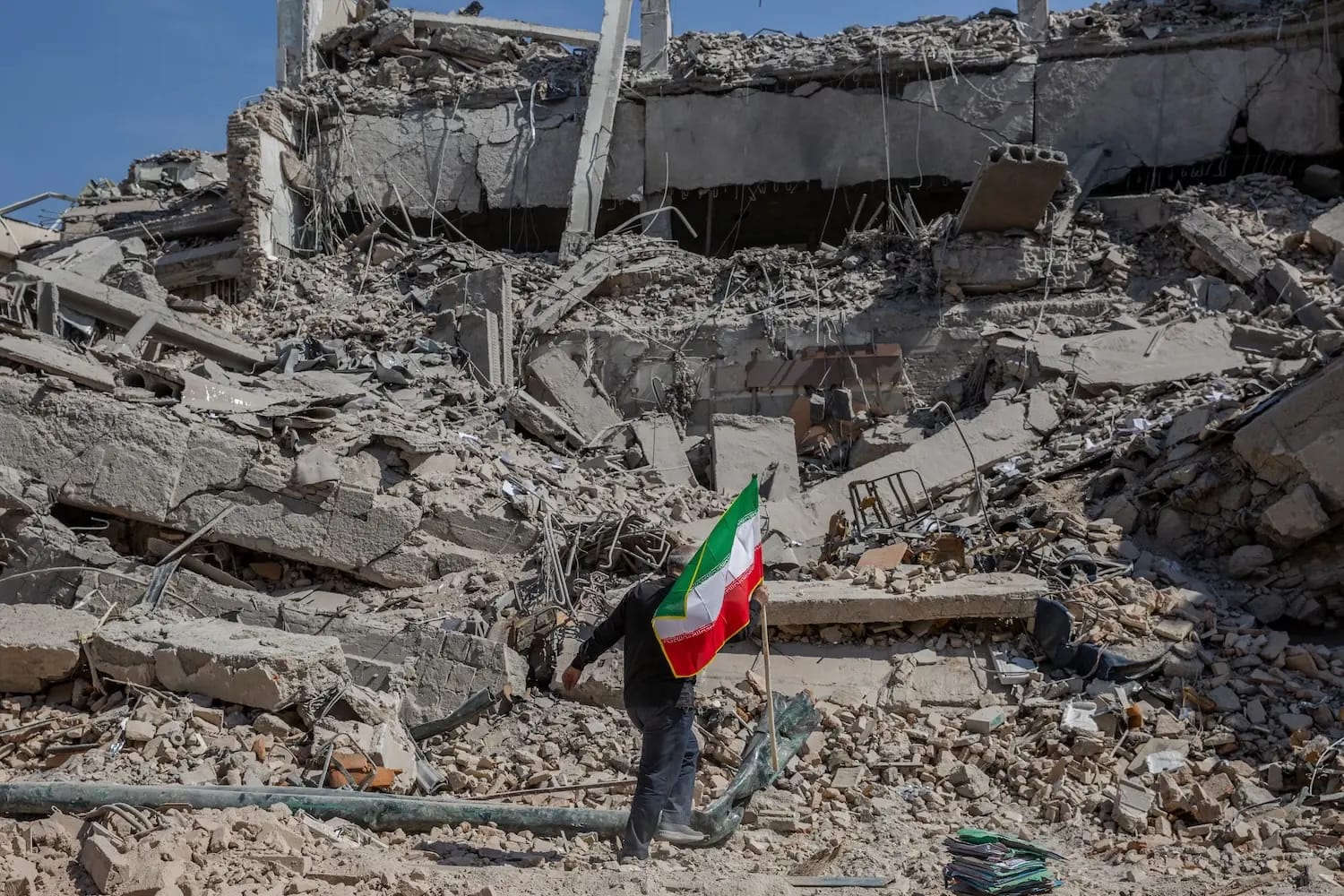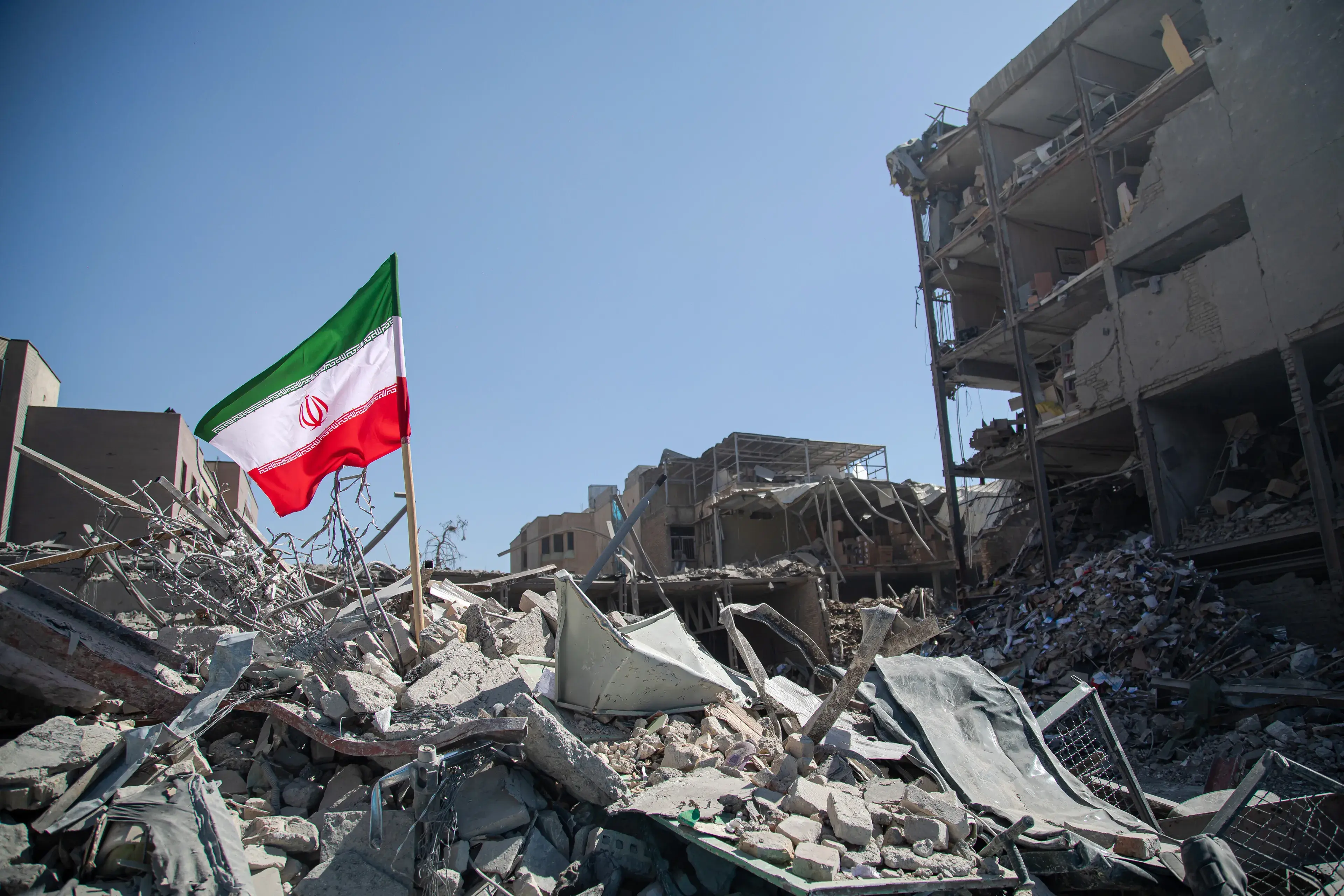
After a month-long air campaign against Iran, the U.S.-Israeli coalition has achieved some striking military successes, gaining air superiority at the same time Iran’s navy and air defense forces have effectively ceased to exist. Moreover, the coalition managed to pull off a “decapitation strike,” killing Supreme Leader Ali Khamenei and the top tier of Iran’s security apparatus on the very first day. And yet, the failure to compel Tehran to give up the fight has led Donald Trump to revert to his familiar pattern of making contradictory statements, ranging from “we haven’t even started yet” to assurances that the war will end “very soon.” Meanwhile, the costs to the global economy are rising rapidly, and that trend could accelerate if U.S. forces attempt a ground invasion.
How it began
On the morning of Feb. 28, Israeli and U.S. forces launched what they called a “preemptive strike” on Iranian territory. In Israel, the operation was named “Lion’s Roar.” In the United States, it was called “Epic Fury.”
In essence, both were a continuation of Israel’s operation “A People Like a Lion,” which was carried out from June 13 to June 24, 2025. As part of that campaign, the Americans conducted their own one-day operation, “Midnight Hammer,” striking key nuclear facilities inside Iran. The Insider analyzed the outcome of those operations in a separate report.
In April and October 2024, Iran and Israel exchanged two rounds of long-range strikes. As a result, in Iran the current war was named “True Promise 4,” a reference to the previous three “promises” of April and October 2024 and in June 2025.
In a statement posted on Truth Social on Feb. 28, Donald Trump called Iran “the number one state sponsor of terrorism in the world” and also blamed the leadership in Tehran for the deaths of tens of thousands of Iranian citizens during the mass protests that engulfed the country in recent months. The U.S. president outlined several specific goals for :
- to “flatten” the Iranian missile industry,
- destroy its navy,
- neutralize “terrorist proxies” in the region,
- undermine the current regime’s ability to obtain nuclear weapons.
Trump also urged Iranians to “take power into their own hands” in order to bring about a fundamental change in Iran’s political system.
The United States committed 50,000 personnel, 200 aircraft, and two full carrier strike groups to the operation against Iran. The campaign has notably involved every type of long-range strategic bomber in the U.S. Air Force’s arsenal, including the B-2, B-1 Lancer, and B-52H.
Israel has deployed an air grouping of comparable size. According to the Israeli Air Force, Feb. 28 saw the largest air operation in its history, with more than 200 aircraft striking more than 500 targets.
The campaign has involved every type of long-range strategic bomber in the U.S. Air Force’s arsenal, including the B-2, B-1 Lancer, and B-52H
According to The Military Balance, Iran’s armed forces had more than 600,000 personnel before the war, including nearly 200,000 in the Islamic Revolutionary Guard Corps (IRGC). The air force included about 250 combat aircraft, though most were hopelessly outdated relics such as F-4 and F-5 fighter jets.
Similarly, the navy mentioned by Trump had fewer than 10 major surface combatants, several dozen patrol and missile boats, a few non-operational Russian-built Project 877 Paltus submarines, mini-submarines, and exotic vessels such as drone carriers and missile catamarans. The main threat to the U.S.-Israeli coalition came from Iran’s missile forces — and its drones.
“Major combat operation” and “we haven’t even started”
Since the start of the campaign against Iran, U.S. officials have seemed almost deliberately to echo Russian rhetoric about Moscow’s “special military operation” in Ukraine. In particular, the war has been turned into a “major combat operation” that is supposedly “ahead of schedule.” Donald Trump also described the opening phase of the war by saying “we haven’t even started hitting them hard” while pointing to an allegedly imminent Iranian attack as a pretext for launching it.
Defense Secretary Pete Hegseth also used language reminiscent of Vladimir Putin’s, saying the United States “did not start this war...but we are finishing it,” and that it plans to “achieve [all of its] objectives.” On March 5, 2026, The New Yorker published a cartoon that closely echoed a meme widely circulated on Russian social media at the start of the war against Ukraine — a Leo Tolstoy reference highlighting the absurdity of the euphemisms used by governments to avoid calling war by its name.

On the Israeli side, the rhetoric has often taken on an apocalyptic tone. Prime Minister Benjamin Netanyahu said he and Trump were “saving the world” and fighting the “yoke of tyranny” in the name of “humanity.”
Even so, the war against Iran is not popular in either the United States or Europe. Even the most favorable polls show that at least half of Americans do not support the Trump administration’s actions. In Europe, support for the fighting is even lower.
Interim results of the campaign in Iran
Over the course of the first three weeks, the U.S.-Israeli coalition carried out more than 15,000 strikes on various targets in Iran. In the first week alone, U.S. forces hit 2,000 targets, twice the comparable number for the Iraq campaign of 2003. The pace and intensity of the attacks have been made possible by the broad use of AI systems. After the 12-day war in June 2025, much of Iran’s air defense and missile defense infrastructure had already been knocked out, meaning this time the task of achieving air superiority was completed on the first day.
The pace and intensity of the attacks on Iran have been made possible by the broad use of AI systems
The main result of the opening phase of the military operation was the decapitation of Iran’s military and political leadership, as Supreme Leader Ali Khamenei was killed in the very first wave of strikes — along with Defense Council secretary Adm. Ali Shamkhani, IRGC commander Gen. Mohammad Pakpour, armed forces chief of staff Gen. Abdolrahim Mousavi, and Defense Minister Gen. Aziz Nasirzadeh. It appears that the Israeli airstrike hit the complex housing Khamenei’s residence, where a session of the defense council was under way.
Khamenei’s second son, Mojtaba Khamenei, who was selected to replace his father, has still not appeared in public, apparently because he suffered serious injuries in that attack. Later, Ali Larijani, the most influential surviving Iranian politician, was killed, as were Basij commander Gholamreza Soleimani and Intelligence Minister Esmail Khatib.
According to statements from Israeli Defense Minister Israel Katz, any successor to Khamenei would immediately become the target of a new strike, and the U.S. State Department has offered a reward for information on Mojtaba Khamenei and other leading figures of the Iranian regime.
As for the purely military side, coalition forces have inflicted critical damage on Iran’s navy, air defenses, and air force. Visually confirmed losses include 38 ships and submarines, meaning the Iranian fleet has effectively ceased to exist. Iran has also verifiably lost 34 combat aircraft and three helicopters, more than 30 air defense systems (including missile batteries and radars), and about 40 missile launchers. Targets linked to Iran’s nuclear program and its security apparatus are also being struck.
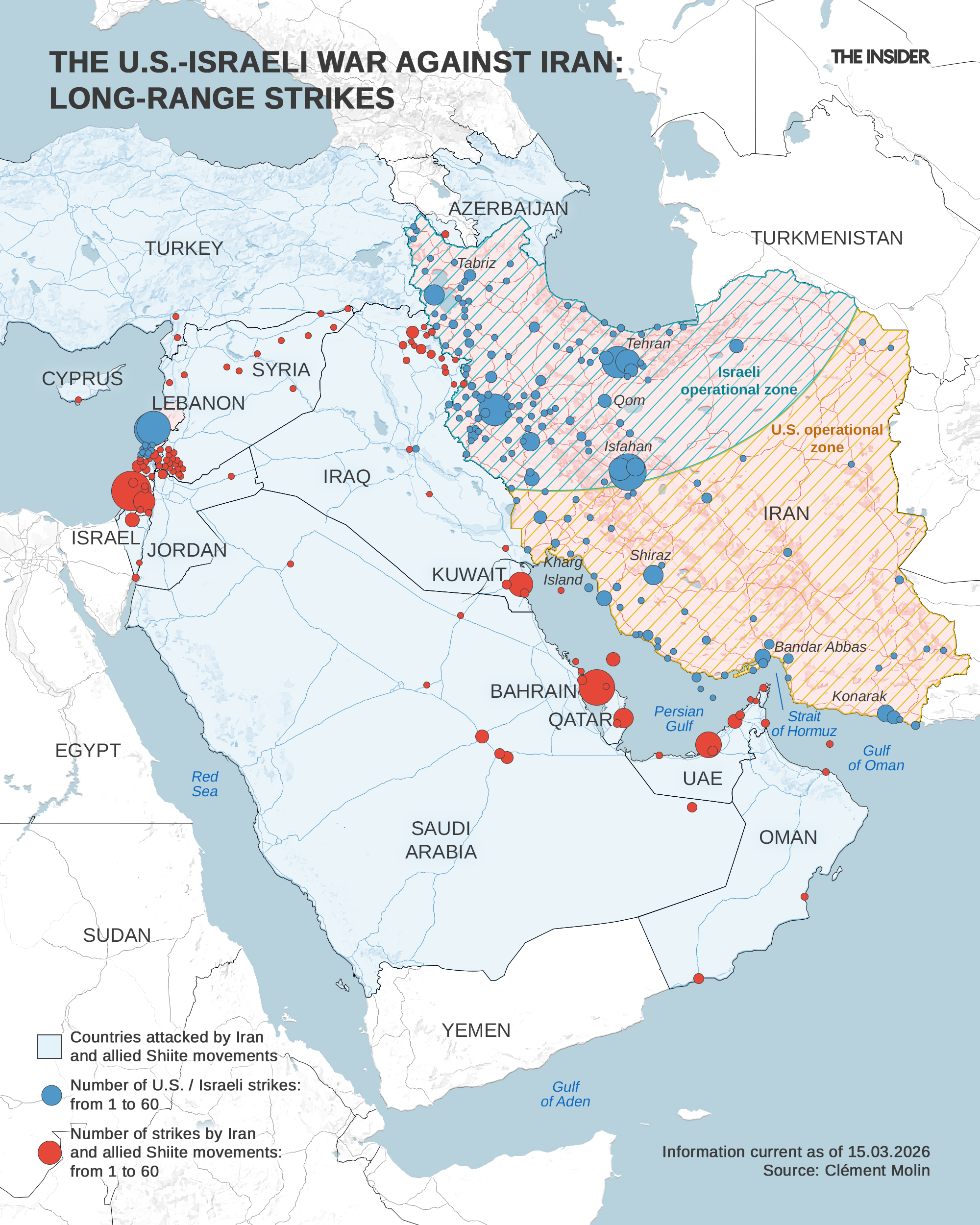
Long-range strike capabilities used during the war by the US-Israeli coalition against Iran
A number of milestone events have taken place over the relatively short span of the fighting in Iran.
- For the first time in history, an F-35 fifth-generation fighter shot down a manned combat aircraft, specifically a Yak-130 trainer-combat jet over Tehran.
- For the first time in combat, the United States has used PrSM ballistic missiles, developed as a replacement for ATACMS.
- For the first time since 1982, a nuclear submarine sank a warship with a torpedo when the USS Charlotte fired on the Iranian frigate IRIS Dena off the coast of Sri Lanka. Of Dena’s crew of 136, only 32 sailors survived.
For now, the category of targets that appears to be the most “protected” is Iran’s oil and gas infrastructure. Judging by available information, there are some differences on this issue between the American and Israeli leaderships. As far as can be discerned, the United States sees attacks on Iran’s oil export infrastructure as a measure of last resort. On the night of March 14, U.S. forces struck Kharg Island, which is involved in up to 90% of Iran’s oil exports, but the Americans pointedly chose only military targets.
How the Iranian military is responding
Since Feb. 28, Iranian forces have been carrying out a campaign of strikes using missiles and loitering munitions against Israel, U.S. bases, and America’s Middle Eastern allies. Iran’s targets have included purely civilian objects and energy infrastructure. Nevertheless, more than a dozen U.S. bases and the radars, communications equipment, and vehicles stationed there are also known to have been hit. Attacks by Iran and its Shiite allies in the region have affected 13 countries, including Cyprus and Turkey.
Overall, the scale of missile and drone use has been much smaller than expected. Only in the first days was Iran able to sustain launches of hundreds of long-range strike weapons, while current figures amount to only dozens per day. Available estimates, however, mostly do not take into account attacks on U.S. bases and rely on admittedly incomplete official reports from neighboring Arab states.
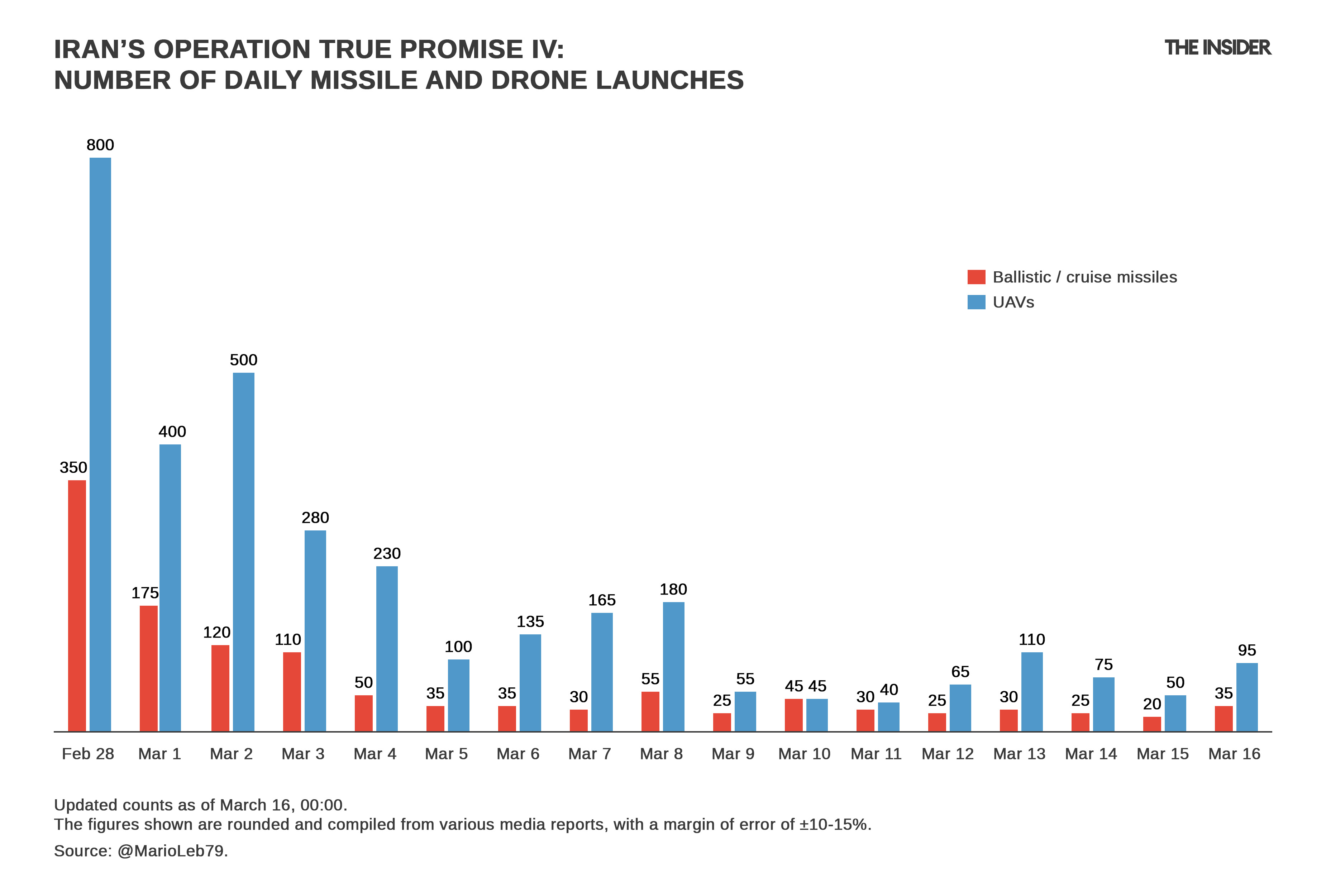
Daily launches of Iranian missile and drone
Judging by the intensity and geography of the retaliatory strikes, command over Iran’s security structures has indeed been disrupted, which is why Tehran’s missile attacks have had an often symbolic and chaotic character, as evidenced by strikes hitting hotels, residential complexes, diplomatic buildings, and airports. It is highly likely that this is what Iran’s concept of “mosaic defense” looks like in practice, with the country’s civilian administration and military command operating in as decentralized a manner as possible — effectively autonomously. At the same time, even raids of this relatively limited scale have required a colossal expenditure of air defense assets from the Gulf states that came under Iranian attack.
The U.S.-Israeli coalition’s losses over three weeks of war are limited for an operation of this scale. The United States has officially reported 13 service members killed and more than 300 wounded. Among the dead were six crew members killed in the crash of a KC-135 tanker aircraft, likely after a mid-air collision with another U.S. aircraft.
The most painful American losses of materiel have come from friendly fire. On March 2, three F-15E aircraft were mistakenly shot down over Kuwait in a single day, likely by a Kuwaiti F/A-18. All six crew members ejected safely.
Another five tanker aircraft may have been damaged in missile strikes on Prince Sultan Air Base in Saudi Arabia. Iranian air defenses also managed to hit a U.S. F-35, but the aircraft made it back to one of the American bases in the region to make an emergency landing.
What has proved truly effective is Iran’s campaign of strikes on commercial ships in the Strait of Hormuz. The IRGC declared the strait closed to vessel traffic on Feb. 28, and about 20 commercial vessels have been struck since then.
Awaiting a ground operation
Donald Trump is demanding Iran’s unconditional surrender, but so far there are no signs that the leadership in Tehran is ready to agree. After the death of Ali Larijani and given the unclear status of Mojtaba Khamenei, it is not fully clear who would even be in a position to offer up unconditional surrender. Nor are there any visible signs that the current regime is becoming less stable. Even if transformation is taking place behind the scenes, it is more likely to result in the appearance of a military junta than of a potential negotiating partner for Washington.
Meanwhile, the costs of the “major combat operation” are rising rapidly for the Trump administration, U.S. allies, and the global economy as a whole. The pace of American military spending now exceeds $1 billion a day, and the Pentagon is preparing to ask Congress for an additional $200 billion. Attacks on ships in the Strait of Hormuz and strikes on energy infrastructure in the region have put 20% of global oil and liquefied natural gas supplies at risk, along with 10% to 20% of petroleum product supplies. According to expert estimates, the Iranian military is capable of blocking shipping through the Strait of Hormuz for months.
Under these conditions, some form of ground operation is looking increasingly likely. At first, the main scenario involved Kurdish forces from Syria and Iraq, backed by the United States, invading western areas of Iran, which are predominantly populated by Kurds. Later, the scenarios under discussion expanded to include U.S. forces seizing the previously mentioned Kharg Island and carrying out raids deep into Iranian territory to remove stockpiles of enriched uranium, the whereabouts of which remain unknown.
The 11th Marine Expeditionary Unit is now heading toward the Persian Gulf. Its movement from the Okinawa area began on March 13, and it includes the USS Tripoli (LHA-7), USS San Diego (LPD-22), and USS New Orleans (LPD-18). On March 20, reports also confirmed that the 31st Marine Expeditionary Unit had departed San Diego aboard the USS Boxer (LHD-4), USS Comstock (LSD-45), and USS Portland (LPD-27). Each group includes more than 2,000 Marines, as well as F-35A aircraft and CV-22 tiltrotor aircraft.
The 11th Expeditionary Unit arrived in Tripoli on March 28, increasing the chances that the conflict moves into a ground phase.