POLITICS
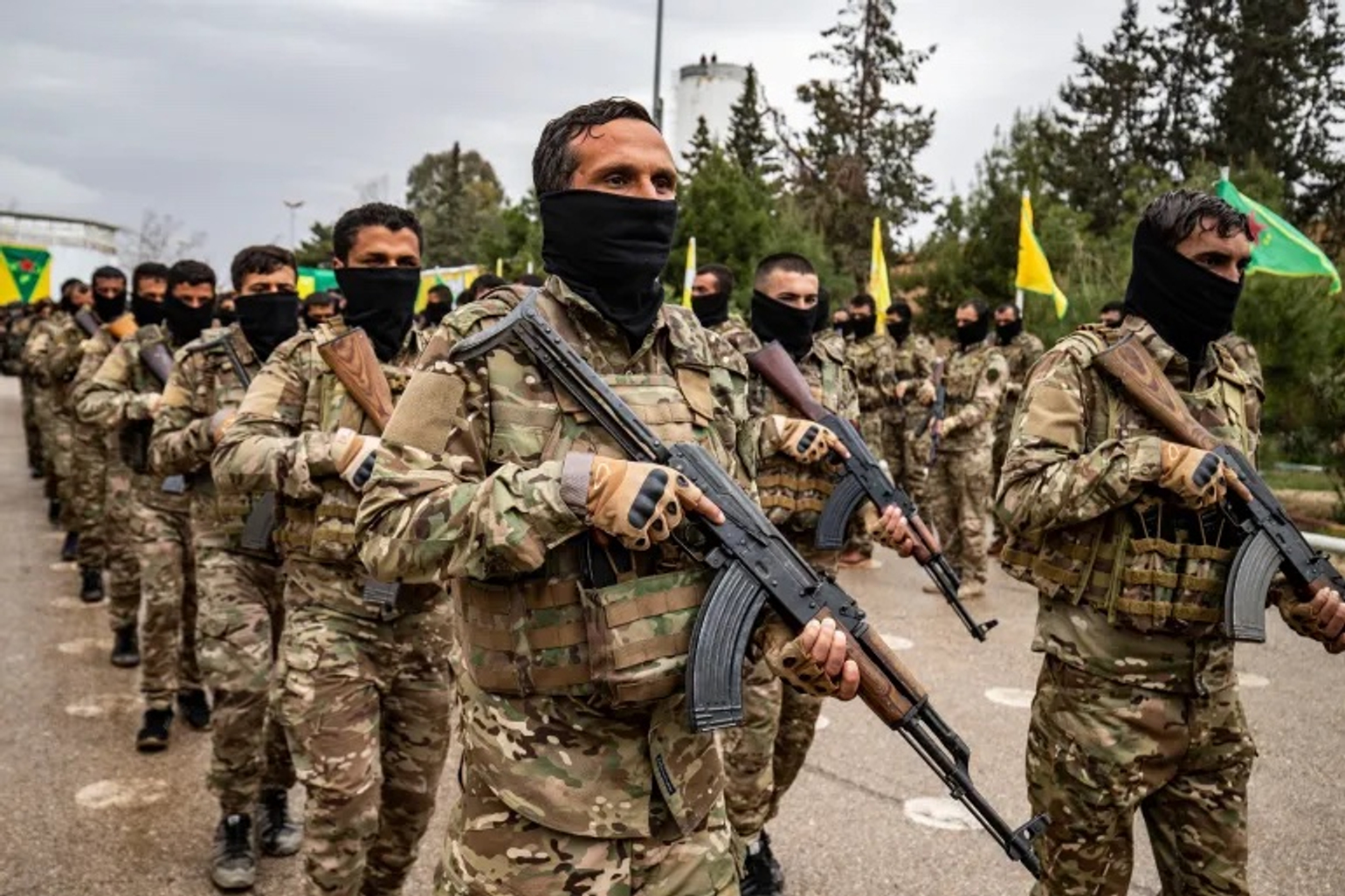
A year after coming to power, Syria's interim president Ahmad al-Sharaa is taking active steps to bring Rojava — or Syrian Kurdistan, the country's last fully autonomous self-governing territory — under the control of Damascus. In exchange for integration with state forces, al-Sharaa offered the Kurds official recognition of their language and promised to establish Nowruz as a public holiday. As for the independence Kurds have sought for years, the agreement makes no mention of it. The continued lack of Kurdish autonomy threatens to spark new tensions in the region, where the Kurds have a strong ally — Israel.
What Damascus and the SDF agreed on
Not the first and not the last agreement
U.S. changing partners
A chain of disappointments: the Kurds and the Middle East
What next?
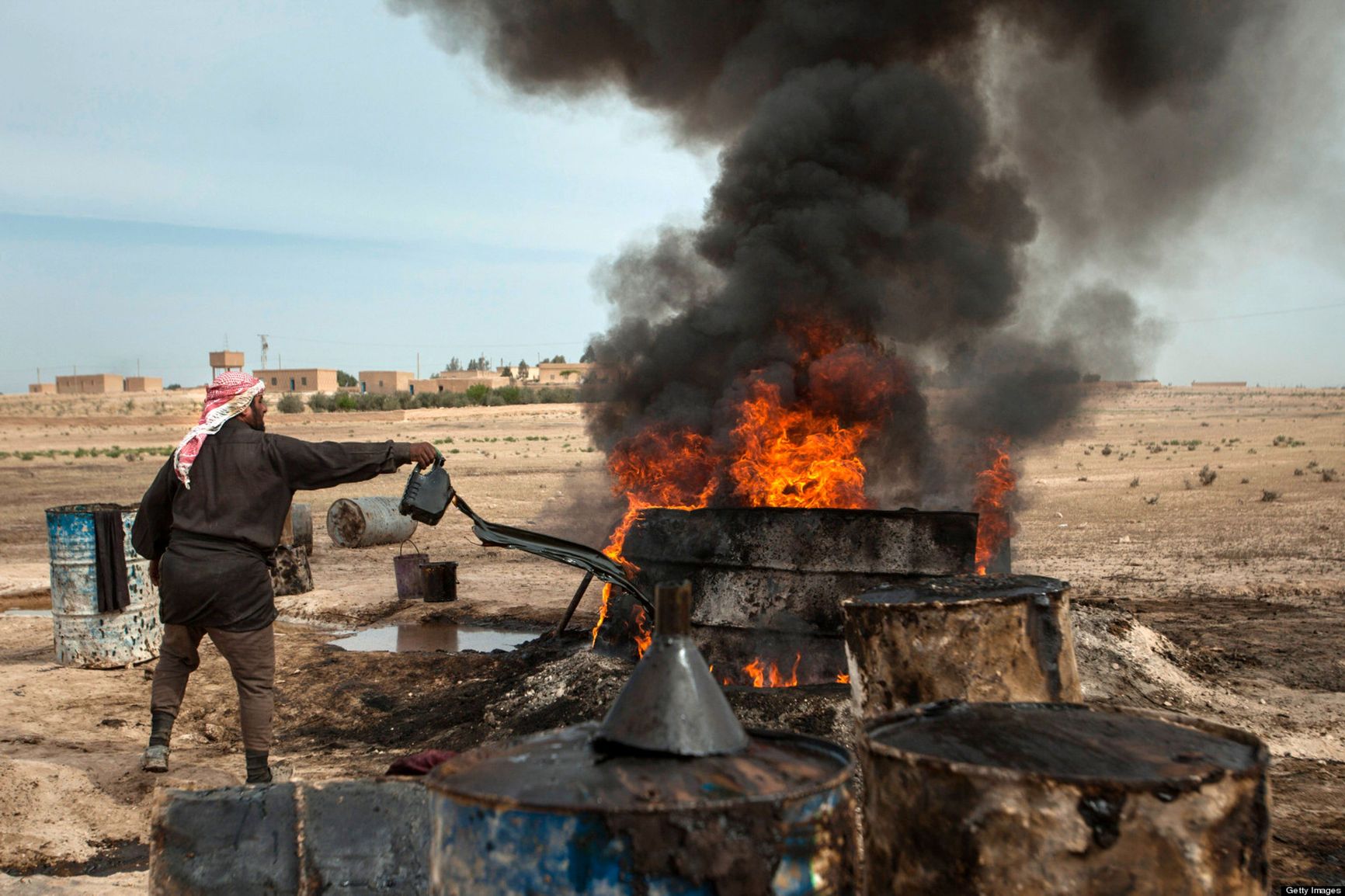
On Jan. 18, authorities in Damascus announced the signing of a Ceasefire and Full Integration Agreement between the government and the Kurdish Syrian Democratic Forces (SDF). The 14-point document, which Syria’s interim president Ahmed al-Sharaa gave the Kurds only four days to implement, provides for the withdrawal of all SDF formations from Rojava, the country's last fully autonomous self-governing territory. As a result, full administrative and military control of the Deir ez-Zor and Raqqa provinces has been transferred to Damascus. The two provinces contain Syria’s largest oil and gas fields, which were taken over by government-affiliated forces as soon as the United States, which had previously supported the SDF, indicated it would not interfere. The transfer of the fields to Syrian authorities is officially enshrined in the agreement.
In addition, al-Sharaa’s government is demanding that all civil institutions in the province of Hasakah, which is still controlled by the SDF, be rapidly transferred under the interim president’s authority (the Druze were previously forced to agree to such an arrangement). The agreement provides for the integration of Kurdish units into Syria’s Ministry of Defense and Ministry of Interior structures, but only after vetting of individual members is carried out.
The SDF is obligated to expel leaders and members of the Kurdistan Workers’ Party (PKK) who do not hold Syrian citizenship. Kurdish forces are also prohibited from admitting former Assad regime personnel into their ranks and must hand over those who are hiding in SDF-controlled territory.
In return, al-Sharaa is offering the Kurds fairly modest promises. Residents of the city of Kobani (a Kurdish enclave on the Turkish border, also known as Ayn al-Arab) will be allowed to keep their security forces — although even here, they will operate under the auspices of Syria’s Ministry of Interior.
The Jan. 18 agreement is the second document of its kind. The first was signed on Mar. 10, 2025, a few months after the overthrow of the Assad regime. One of the new government's priorities was restoring control over all national territory, and the main obstacle in its path was the SDF, which at the time held a significant portion of the country’s northeast.
The core of the SDF consists of the People’s Defense Units (YPG), which Turkey considers a terrorist organization due to their informal ties with the PKK. Nevertheless, during the years of the Syrian civil war the SDF became a key U.S. partner in the fight against the Islamic State.
After the fall of the Assad regime, the Kurds recognized the new authorities — albeit cautiously, given that the SDF had repeatedly clashed with pro-Turkish Syrian opposition groups. This past March, Damascus and the SDF agreed on the integration of Kurdish organizations into state structures, emphasizing the need to implement the agreement by the end of the year.
However, doubts about the plan's feasibility existed from the very beginning. The document required careful drafting, but the U.S.-facilitated negotiation process stalled. By the end of 2025, patience began to wear thin in Damascus, and the situation was further inflamed by Ankara’s increasingly insistent demands that all forces linked to the PKK leave Syria.
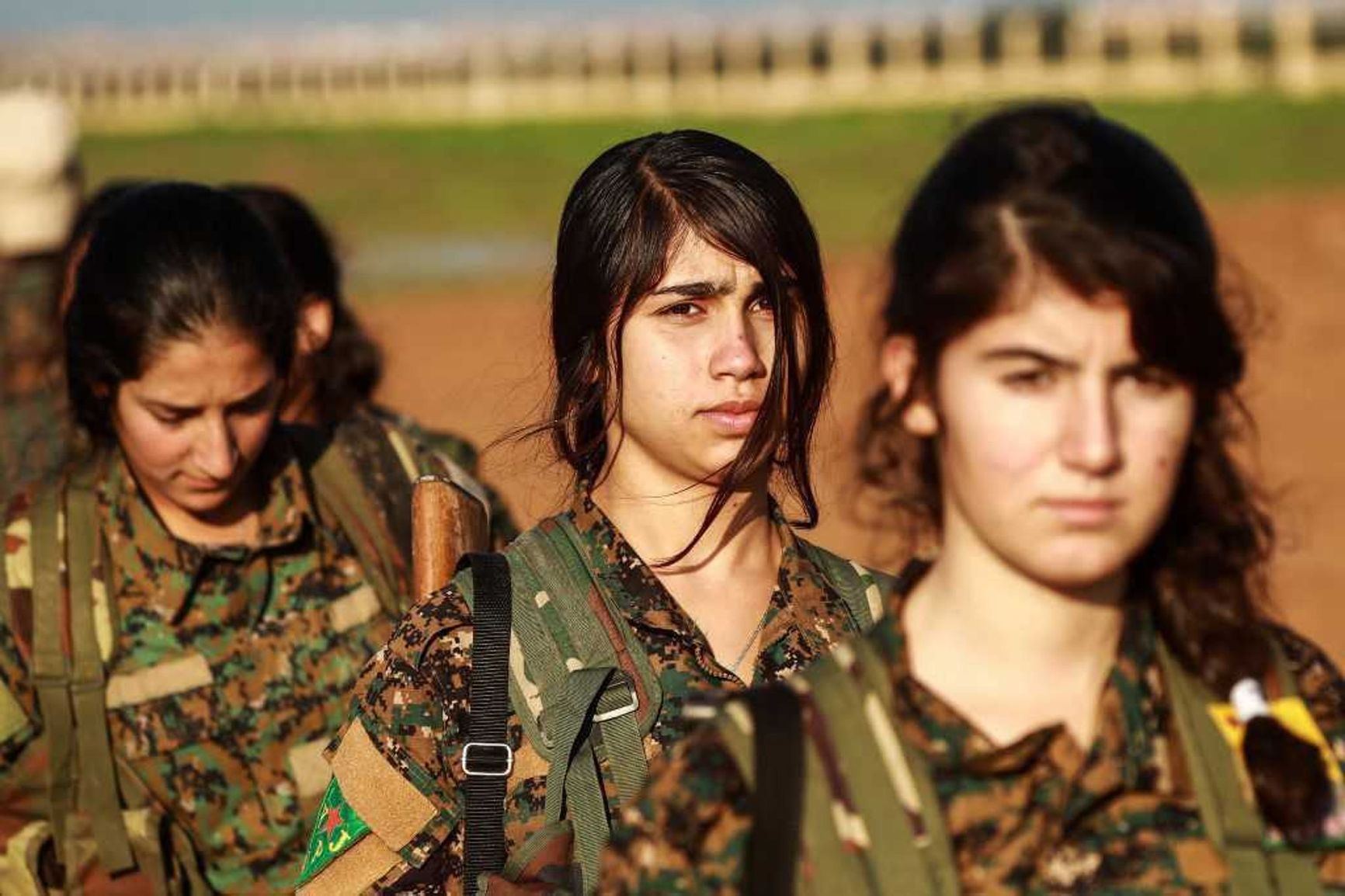
In December, clashes broke out between the Syrian army and the SDF in Kurdish neighborhoods of Aleppo. Both sides accused each other of provoking violence. The conflict was initially contained, but less than two weeks later tensions flared up again, leading Damascus to demand the withdrawal of SDF units from the districts they controlled in Aleppo. Then, after fighting resumed east of Aleppo, government forces launched an offensive in the Raqqa and Deir ez-Zor provinces with fire support from local Arab tribes who had accumulated numerous grievances against the SDF over the past few years. (Many of these grievances stemmed from the fact that women served in the Kurdish militia and that gender equality was enforced in ways far from Sharia law.)
Officials in Damascus openly acknowledged that the December operation was aimed at bringing the Kurds back to the negotiating table — and al-Sharaa got his way. SDF commander Mazloum Abdi signed the new ceasefire and integration agreement, which was far stricter than the one in March. With the United States actively pressuring him to reach an agreement with Damascus, Abdi had no choice. However, the Kurds refused to surrender immediately. Many commanders were ready to continue the fight, with reports emerging that Kurds from Iraq and Turkey were coming to support the SDF. In the end, fighting resumed, followed by mutual accusations about violations of the agreement.
Notably, Abdi signed the agreement remotely, arriving in Damascus to meet Ahmad al-Sharaa only the day after the ceasefire was announced (the formal pretext for his delay was the weather). The in-person meeting proved unsuccessful: on the morning of Jan. 20, Arab media reported that Abdi had withdrawn his signature because the interim president had rejected his request to leave the Kurds in control of Hasakah province and had not granted a delay for consultations. By the evening of Jan. 20, however, the SDF stated that they remained committed to the agreements with Damascus.
As it turned out, the change of heart had to do with a new ceasefire — this time for four days — and a preliminary compromise on Hasakah. In addition, al-Sharaa decided to offer the SDF time to develop a detailed integration plan. Damascus emphasized that, if the agreement is upheld, Syrian troops will not enter the city centers of Hasakah and Qamishli, remaining on the outskirts. The authorities also promised that government forces would not enter Kurdish villages, and that no military presence except for local security units would be allowed in such areas.
Al-Sharaa ultimately decided to give the Kurds time to develop a detailed integration plan
Abdi was offered the opportunity to nominate SDF candidates for the posts of deputy minister of defense and governor of Hasakah and to appoint representatives to the People’s Assembly and other Syrian government bodies. The remaining points mirrored the Jan. 18 document. However, the new arrangements did not halt the fighting, with both sides still accusing one another of violating their obligations.
The United States has played a key role in the negotiations between the SDF and the new authorities in Damascus. While welcoming the change of regime in Syria, Washington was somewhat cautious toward Ahmad al-Sharaa, who as the former head of Islamist group Hayat Tahrir al-Sham had been listed on international terrorist watchlists. However, al-Sharaa acted prudently from the start, promising to protect the rights of women and minorities and fight the Islamic State while promoting the development of democracy. Despite ample skepticism towards his rhetoric, he was given the benefit of the doubt as global players sought a way to avoid the return of chaos to Syria.
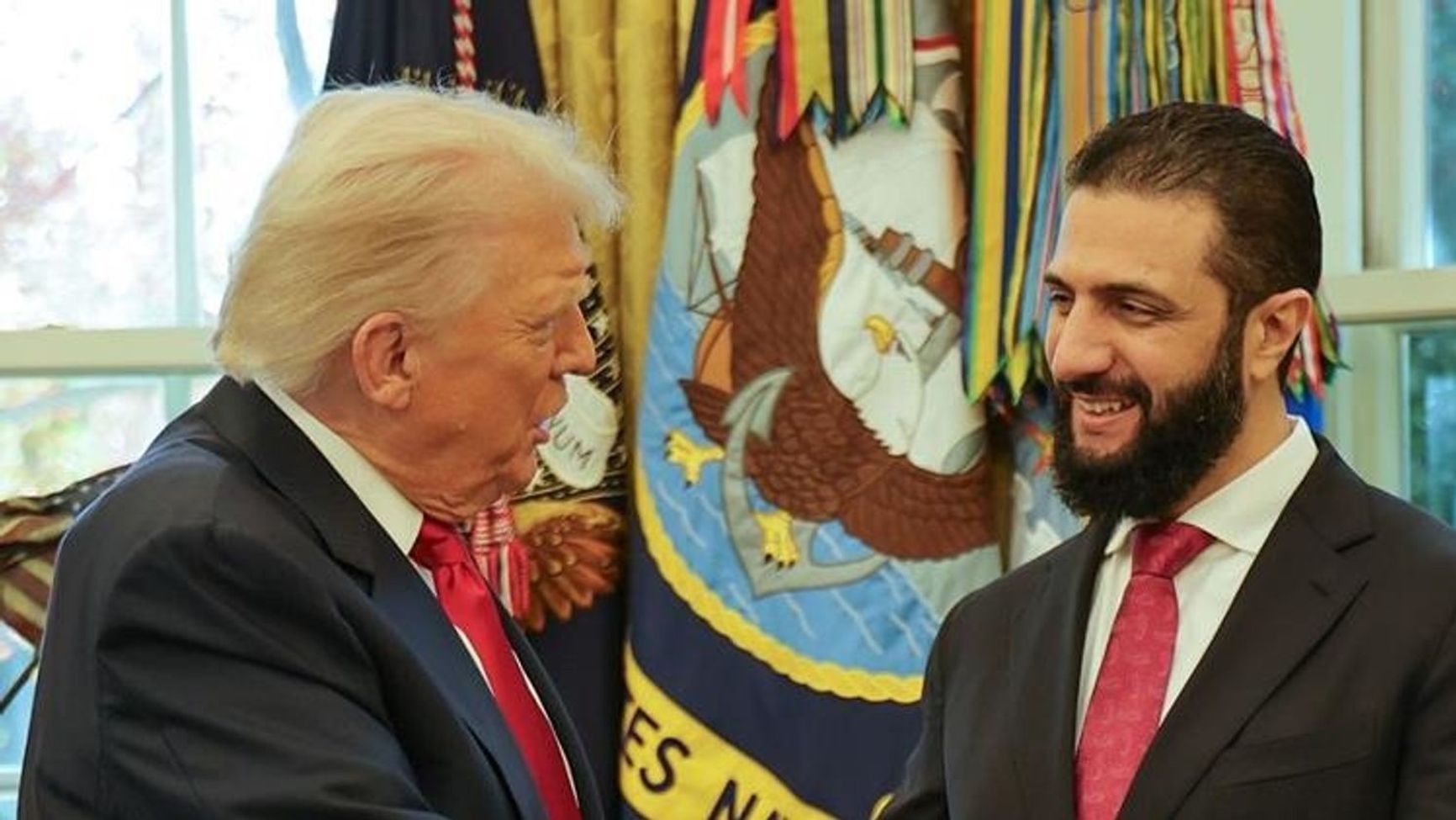
In today's context, the United States no longer needs the SDF. Moreover, the Kurds have become an obstacle in Washington’s dialogue with both Damascus and Ankara. Last March, when there were still doubts about al-Sharaa’s capacity to exercise power, the U.S. kept up its support for the Kurds. Over the past nine months, however, Trump has met with al-Sharaa several times, and the U.S. lifted its sanctions on Syria. In addition, the Trump administration has been engaging closely with Ankara and several Arab capitals that support the new Syrian leader.
On Jan. 20, U.S. Special Envoy for Syria Tom Barrack published a post on X detailing the American stance on the situation: support for the SDF has lost its purpose, as “Syria now has an acknowledged central government that has joined the Global Coalition to Defeat ISIS (as its 90th member in late 2025), signaling a westward pivot and cooperation with the U.S. on counterterrorism.”
The U.S. stated that support for the Kurds has lost its purpose, as Syria now has a “recognized central government”
Washington believes it has done everything it could for the Kurds. In January, al-Sharaa signed a U.S.-mediated decree granting the Kurdish language national status and recognizing the Kurdish celebration Nowruz as a national holiday. In addition, a decision was made to grant citizenship to Kurds living in Syrian territory, about 20% of whom had been without it since the controversial 1962 census in Hasakah province. The decree marked the first official recognition of Kurdish rights since Syria’s independence was declared in 1946.
Despite these measures, documented cases of mass violence against Alawites and Druze over the past year give the Kurds and other Syrian minorities ample cause to fear for their safety. Reports are appearing on social media about reprisals against Kurdish civilians and SDF fighters in the “liberated territories.” The attacks could be motivated by the Arab population's desire to retaliate against the SDF for alleged abuses and violence in the areas they formerly controlled.
Washington acknowledges the risks but emphasizes that maintaining the Kurdish region’s autonomy threatens a resurgence of the Islamic State given that the U.S. does not plan to maintain its military presence in Syria indefinitely. According to Reuters, the United States did not expect the recent government offensive to advance as far as it did and warned Damascus that sanctions could be reinstated if harm came to the Kurdish civilian population. Such statements force al-Sharaa to act more cautiously, but they are not enough to preserve Kurdish self-governance.
One of the main problems faced by both the Kurds and the Americans involves the Assad-era prisons housing thousands of Islamic State supporters, often alongside their wives and children. These prisoners were previously guarded by the Kurds, but Damascus has now announced that it is taking responsibility for them. There are large numbers of radical Islamists among al-Sharaa’s loyalists, some of whom have fought alongside ISIS themselves.
On Jan. 21, the U.S. Central Command (CENTCOM) announced the launch of an operation to transfer roughly 7,000 of these prisoners to Iraq, where security is more reliable. The move was prompted by the escape of terrorists from the Shaddadi prison during clashes between the Kurds and government forces. Syria’s Ministry of Interior claims that about 120 people escaped, roughly 80 of whom were later recaptured. The Kurdish website Rudaw, citing SDF sources, reported 1,500 escapees. Whatever the actual number, the incident alarmed both Syria’s neighbors and European countries, especially since many of the prisoners hold Western citizenship. Donald Trump also took note, telling The New York Post in an interview that he had stopped the escape of “the worst terrorists in the world.”
This is not the first time Kurdish autonomy has been sacrificed in favor of larger geopolitical interests. Since the late 19th century, Kurds have been fighting the Turks for independence — mostly without success. The 1920 Treaty of Sèvres, signed after World War I, envisaged the creation of an independent Kurdish state. However, the 1923 Treaty of Lausanne cancelled this provision, and the Kurdish territories that had previously been part of the Ottoman Empire were divided among Turkey, Iraq (then under British mandate), and Syria (under French mandate). Iranian Kurdistan was not included in either the Sèvres or Lausanne treaties, as Persia was not involved in their negotiation. As a result, the Kurdish population found itself divided between four states.
The 1920 Treaty of Sèvres, signed after World War I, envisaged the creation of an independent Kurdish state
In the decades that followed, global and regional players used the Kurdish factor to their advantage, promising them broad autonomy — or even independence — without ever following through. Formally, Iraq established an autonomous Kurdish region in 1970, covering the provinces of Dahuk, Erbil, and Sulaymaniyah, but territorial disputes and restrictions on Kurdish rights sparked a new wave of armed confrontation.
From 1975 until the late 1980s, Saddam Hussein pursued a policy of Arabization in Iraq’s Kurdish regions, using chemical weapons and mass deportations to destroy many entire towns and villages. No external assistance was provided, as no outside power saw any benefit in providing it.
The situation changed in April 1991 when the UN Security Council declared Iraqi territory north of the 36th parallel a safe zone a few months after the U.S.-led international coalition acted against Baghdad in Operation Desert Storm. Having punished Hussein’s regime for its attempt to annex Kuwait, Washington went further, and by October 1991 international forces and Kurdish Peshmerga units had forced Iraqi troops to withdraw from Dahuk, Erbil, and Sulaymaniyah.
For 12 years, Iraqi Kurdistan effectively enjoyed autonomy and protection from the U.S. and the U.K., which established a no-fly zone over the region. A generation grew up that did not speak Arabic and had almost no ties to Baghdad (other than smuggling). Reunification seemed virtually impossible. However, after Hussein’s overthrow, the Kurds were not allowed to secede from Iraq — the international community was reluctant to permit the country’s breakup, and the Kurds were laying claim to far more territory than they controlled before 2003.
Partnering with the U.S. during the campaign against the Islamic State from 2014 to 2017, the Kurds managed to expand their zone of control even further, regaining control over the oil-producing region of Kirkuk. In 2017, Iraqi Kurds held an independence referendum in which 92.7 percent of participants voted “yes,” yet this still did not lead to the creation of a state. Instead, Baghdad imposed sanctions and launched a military operation to regain control over disputed territories, including Kirkuk. Washington supported the central government in Baghdad, advocating for the preservation of Iraq’s territorial integrity.
Iraqi Kurdistan, meanwhile, retained significant autonomy, with its own security forces and governing bodies, including a parliament and a president. According to the Iraqi constitution, the country's presidency must also be held by a representative of the Kurdish community. Nevertheless, the Kurds were prohibited from signing international agreements — not even when it came to the oil and gas resources located on their territory. Baghdad controls the distribution of hydrocarbon export revenues, a fact that led to regular conflicts between the federal center and the Kurdish autonomous region.
For Turkey, the Kurdish issue remains extremely sensitive. The armed conflict between the PKK and Turkish authorities has lasted for decades, claiming tens of thousands of lives. Ankara’s fight against the PKK has extended beyond its borders, with Turkish forces carrying out regular operations in northern Iraq and Syria.
In May 2025, the PKK announced its readiness to lay down its arms and disband as part of a peace deal with Ankara, but some of its fighters remain abroad, a reality perceived in Turkey as a threat. As a result, Turkish authorities did everything in their power to bring Syria's Kurdish autonomy project to an end.
In Iran, Kurdish provinces regularly serve as the scene of the most brutal clashes during national crises, including in the deadly protests that swept across the country in recent weeks. Iranian authorities accuse Kurdish organizations of harboring ties with external forces, provoking violent reprisals from law enforcement, and generally acting to destabilize the country. Any flare-ups in Iran’s Kurdish regions are quickly framed by the authorities as cases of “separatism” and “terrorism.”
The defeat of the Syrian Kurds affects the balance of power both within Syria and across the region, as multiple Syrian minorities, particularly the Druze, viewed Rojava as a model for potential autonomy. Immediately after the fall of the Assad regime in late 2024, reports emerged about the creation of the Suwayda Military Council, which advocated for the formation of a “decentralized secular state,” essentially a Druze autonomy. Arab experts claimed that the council’s organization was coordinated with the SDF, and Israel, which actively supports the Druze, was also believed to be involved.
Syrian minorities, particularly the Druze, viewed Rojava as a model for potential autonomy of their own
The long-standing alliance between Israel and the Kurds of Iraq and Syria is no secret. According to Reuters, during the latest round of Syrian-Israeli talks in Paris this past January, the Damascus delegation called on Israel to “stop encouraging Kurds to delay integrating.”
Before that, in December 2024, Syrian Kurdish commanders appealed directly to Israel for military support amid pressure from Turkey and its allies. In January 2026, SDF representatives stated that they had been in contact with “certain Israeli figures” and that they were ready to accept assistance in the face of al-Sharaa’s offensive and the winding down of American support.
Unlike the United States, Israel is not interested in a unified and strong Syria, fearful that its strength could turn against the Jewish state at some point. However, so as not to displease Washington, the Israelis will not openly intervene in the confrontation between the SDF and Damascus.
The U.S. decision to back the new Syrian government rather than favoring its ties with the Kurds certainly strengthens Turkey’s regional standing. However, this will not make the Kurdish issue disappear — on the contrary, flare-ups could be seen in the region for a long time to come. In mid-January, reports emerged that armed Kurdish groups had attempted to cross into Iran to support protesters. The question of where Kurdish fighters who lack Syrian citizenship will go under the new agreement with Damascus also remains open (the most obvious options for them are Iran and Iraq).
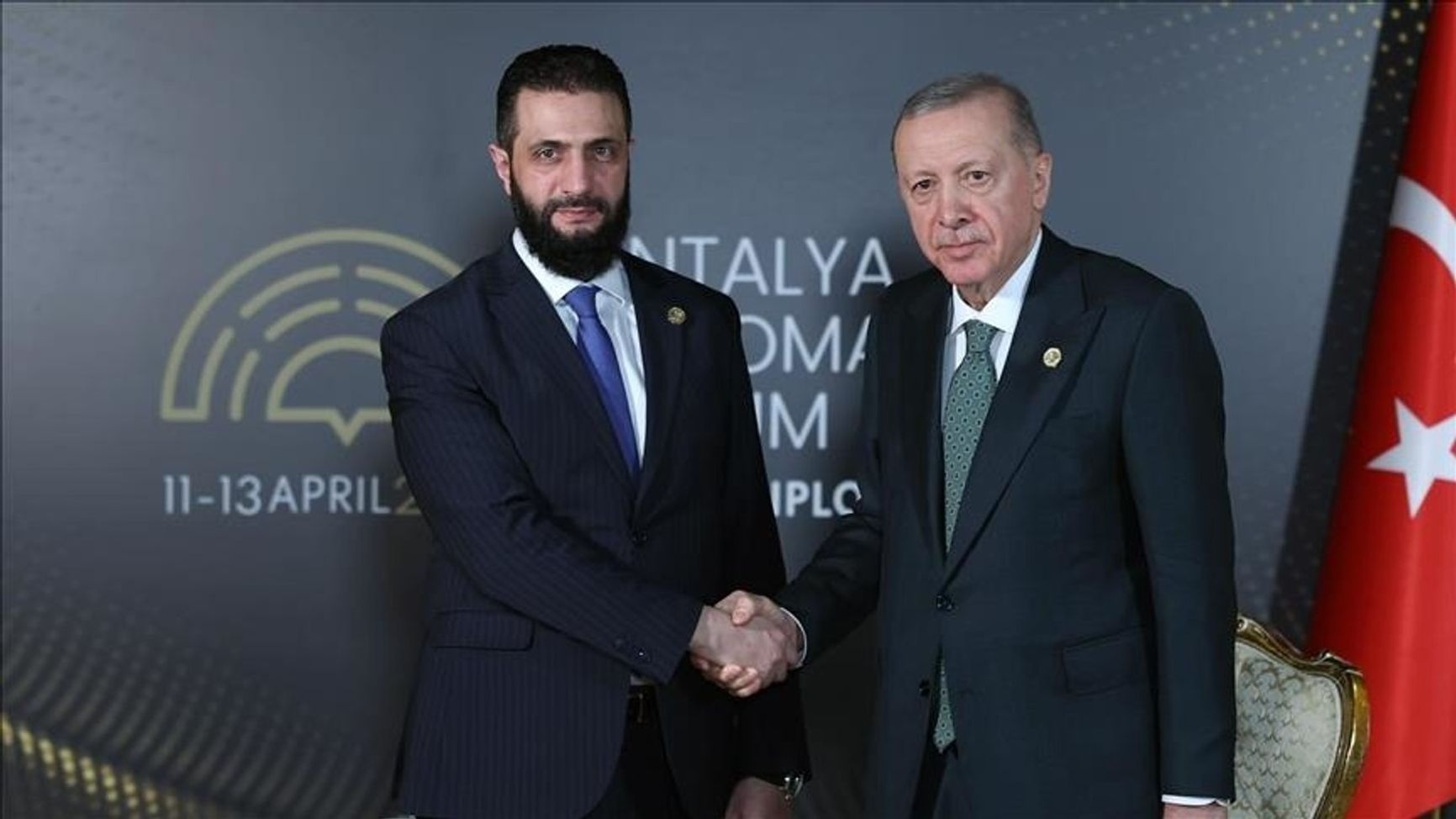
It remains to be seen whether the agreements signed by Damascus and the SDF will be upheld in practice. The integration of Kurdish civilian and military structures into the national Syrian framework could take years, given that Syria’s state institutions are still being rebuilt. There is no fully established army or security apparatus, and administrative bodies struggle to extend their authority very far beyond Damascus. The nation will also have to draft a new constitution, which will spark a struggle to secure the rights not only of the Kurds but of all segments of Syria’s population. For Damascus, and for al-Sharaa personally, the primary task for the foreseeable future will be to consolidate its power. Perhaps the most telling test case will involve al-Sharaa’s ability to enforce the agreement everyone just signed on to.
К сожалению, браузер, которым вы пользуйтесь, устарел и не позволяет корректно отображать сайт. Пожалуйста, установите любой из современных браузеров, например:
Google Chrome Firefox Safari