POLITICS
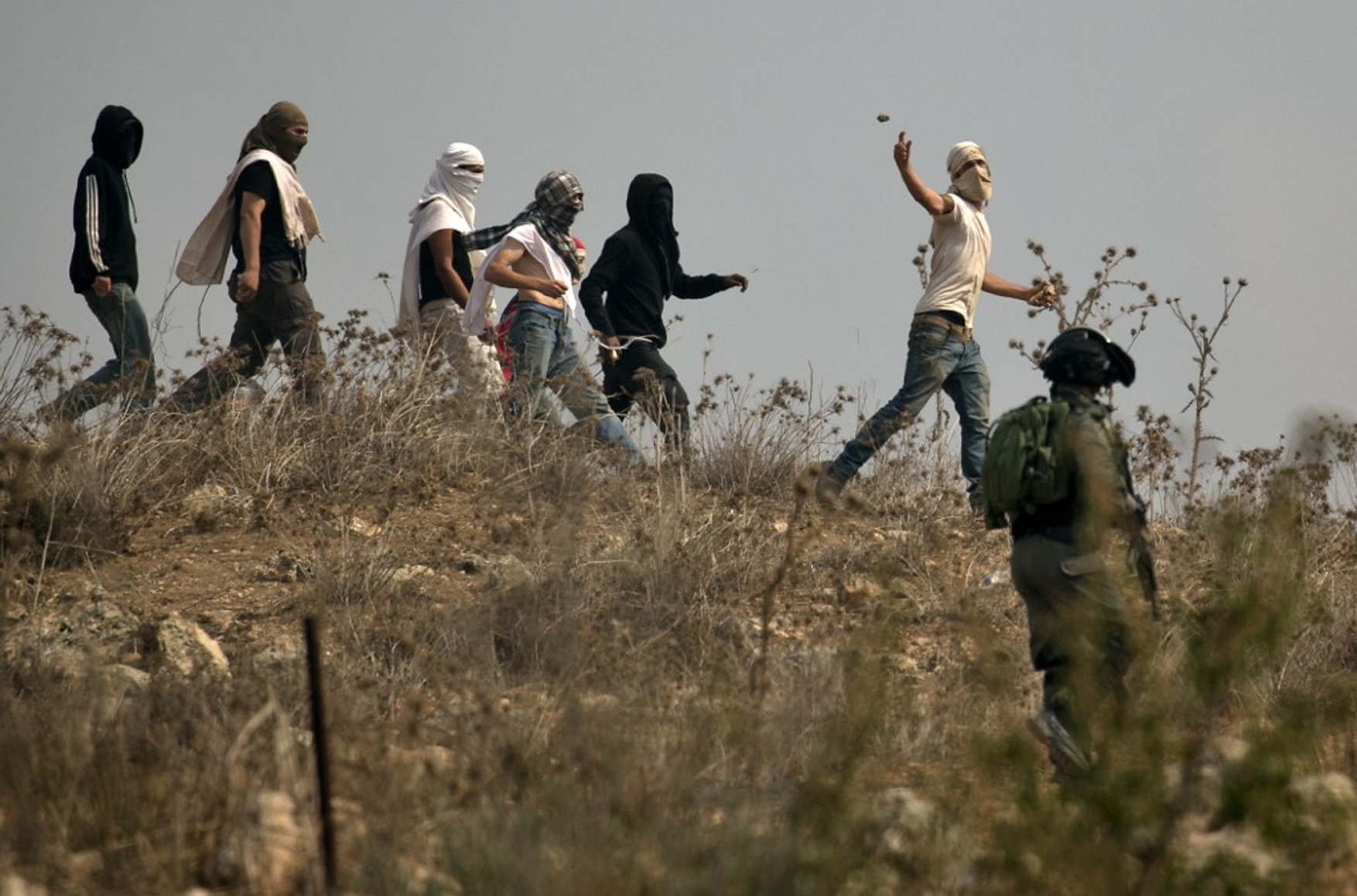
With the spotlight of attention focused on the Gaza Strip, the West Bank nevertheless remains a site of tension. Although the IDF warns about the risk of a repeat terrorist attack along the lines of the Oct. 7 massacre, in the case of Judea and Samaria there is also the threat of violence perpetrated by Jewish settlers. The Insider’s correspondent Alla Gavrilova visited a Palestinian village and spoke with locals, who detailed how the “Hilltop Youth” are pushing non-Jewish populations off the land. Palestinians and Bedouins are beaten and insulted, their homes raided, and their livestock are stolen — without prompting any serious reaction from the Israeli government or the IDF.
Partition of land
Orchards of discord
History of the Jordan Valley
“The rules are different for Moshe and Musa”
In 2025, at least 733 Palestinians were injured in attacks by Jewish settlers. This is roughly twice as many as in 2024 or 2023, according to the United Nations Office for the Coordination of Humanitarian Affairs (OCHA).
Sources within the organization explained to The Insider that the figure only reflects cases in which Palestinians required medical attention and which did not involve harm inflicted by Israeli military personnel — only by civilians. Moreover, the statistics are limited to incidents confirmed by at least three sources, one of which must be either the Red Crescent or a hospital. Overall, a total of 1,485 attacks resulting in harm to Palestinians or their property were recorded in 2025.
Figures published by the Israeli Ministry of Defense, however, are usually several times lower. For example, the Israeli ministry reported to the Kan public broadcasting corporation that in October 2025, 97 cases of ethnically motivated violence by Jews were recorded in the territories. In October 2024, the cited number was 60. According to OCHA, on the other hand, October 2025 was a record month for the number of settler attacks on Palestinians: the agency recorded 264 incidents resulting in harm to people or property.
In 1995, after the signing of the Oslo II Accord, the West Bank (historically known before its annexation by Jordan in 1948 as Judea and Samaria) was divided into Zones A, B, and C.
Zone A, which occupies roughly 18% of the West Bank, consists mainly of large Palestinian cities that remain under the civil and police control of the Palestinian National Authority (PNA). Zone B (22% of the territory) includes mostly Palestinian towns and large villages under the PNA's civil control but the military control of Israel. Zone C, which covers the largest area (about 60% of the entire West Bank), is under full Israeli control.
Waqf, Ḥabus (Arabic: “holding”) — in Islamic law, movable or immovable property that is donated or bequeathed for charitable and religious purposes.
Israeli military, political, and government official who held the positions of Minister of Defense and Minister of Transportation.
One dunam is approximately 1,000 m².
The first Israeli-Palestinian agreements were signed in 1993. In the Declaration of Principles (DOP), also known as the Oslo I Accord, the State of Israel and the PLO recognized each other’s “political rights.” The negotiations aimed to establish a temporary Palestinian self-government body for a transitional period of up to five years. In the first phase, the Gaza Strip (excluding areas with Jewish settlements) and Jericho were placed under its authority. Further redeployment of Israeli forces was outlined in the Oslo II Accord, signed two years later. The West Bank (Judea and Samaria) was divided into zones A, B, and C.
As of late October 2025.
As of November 24.
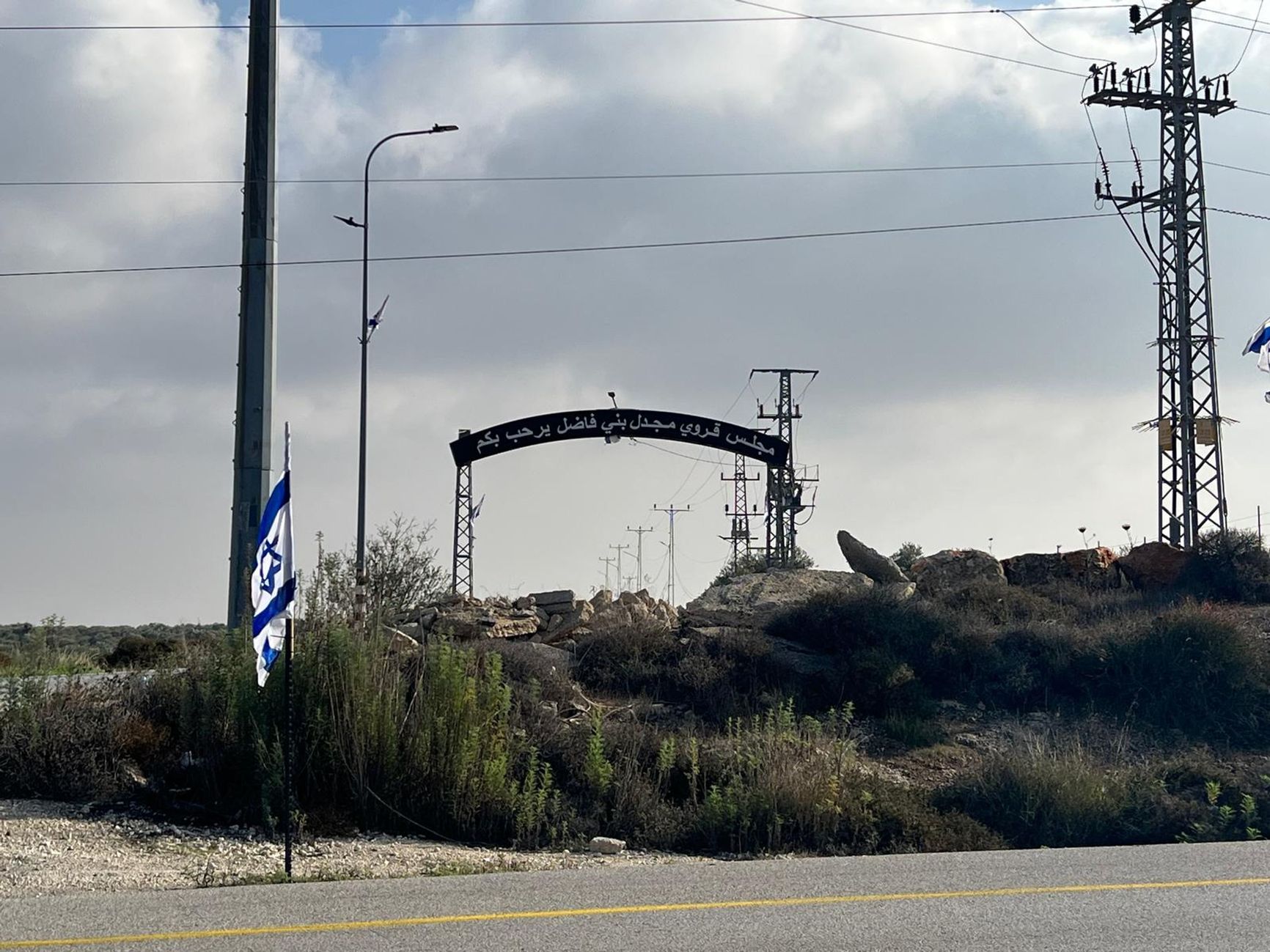
According to the Israel Central Bureau of Statistics, in 2023 the Jewish population of the West Bank was just over 500,000. The Yesha Council (a public organization uniting all local councils of Judea and Samaria) claims that over the past two years, the number of Jewish residents in the region has increased by roughly 30,000.
As for the Palestinian population in Zone C, figures vary widely across sources. However, according to data cited in 2023 by the INSS research institute at Tel Aviv University, over 200,000 Palestinians live in Zone C, with over a quarter of its territory in their private ownership. More than 60% of the area consists of so-called “state land,” which no one claimed or could prove ownership of.
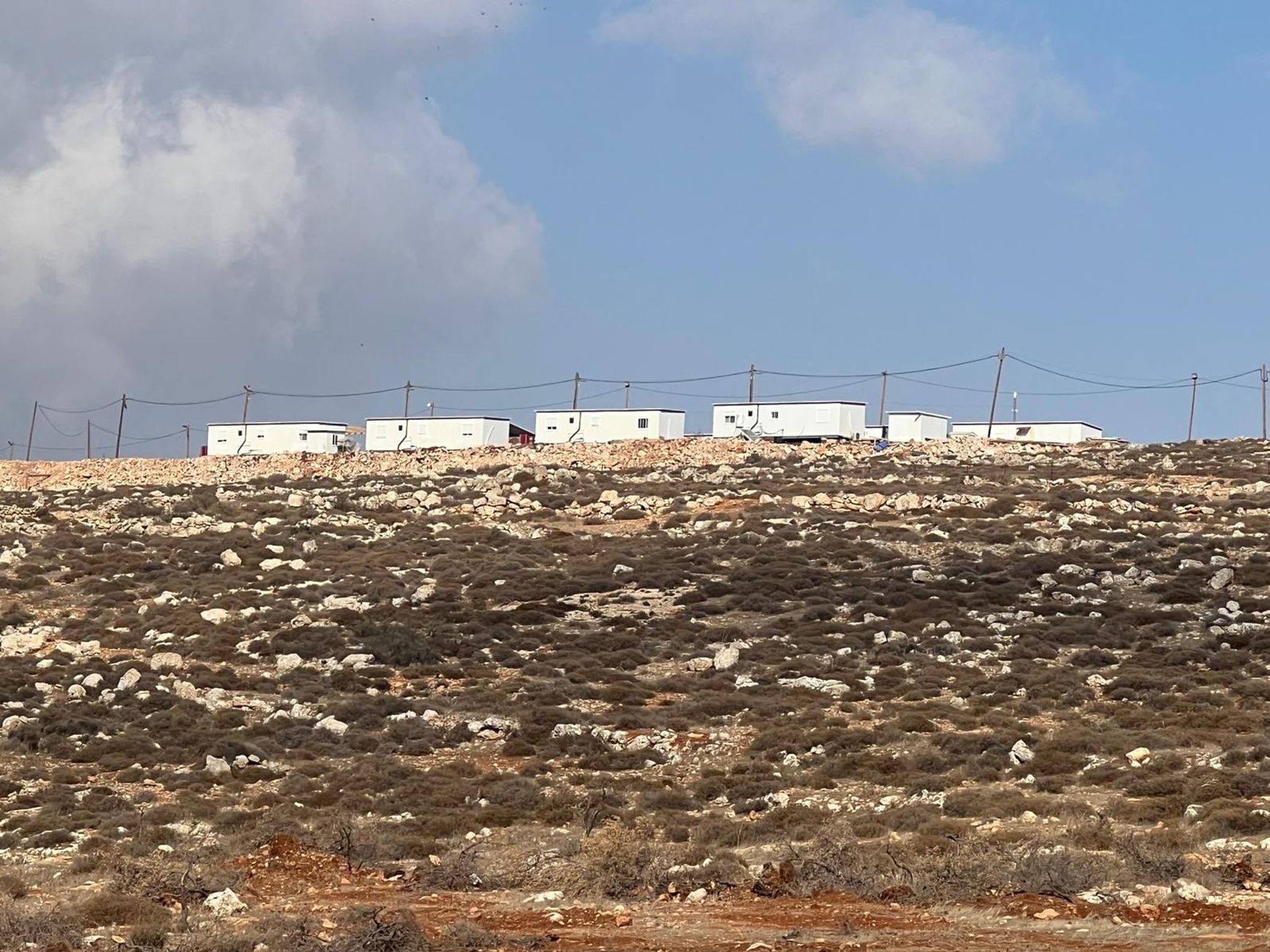
In addition to Jewish settlements built with state approval, Zone C also contains numerous unauthorized outposts, which may consist of just a tent or a shack (at least initially). These are usually inhabited by young people known as the “Hilltop Youth,” as Judea, Samaria, and the adjacent Jordan Valley, which also forms part of Zone C, are located in a hilly area.
Waqf, Ḥabus (Arabic: “holding”) — in Islamic law, movable or immovable property that is donated or bequeathed for charitable and religious purposes.
Israeli military, political, and government official who held the positions of Minister of Defense and Minister of Transportation.
One dunam is approximately 1,000 m².
The first Israeli-Palestinian agreements were signed in 1993. In the Declaration of Principles (DOP), also known as the Oslo I Accord, the State of Israel and the PLO recognized each other’s “political rights.” The negotiations aimed to establish a temporary Palestinian self-government body for a transitional period of up to five years. In the first phase, the Gaza Strip (excluding areas with Jewish settlements) and Jericho were placed under its authority. Further redeployment of Israeli forces was outlined in the Oslo II Accord, signed two years later. The West Bank (Judea and Samaria) was divided into zones A, B, and C.
As of late October 2025.
As of November 24.
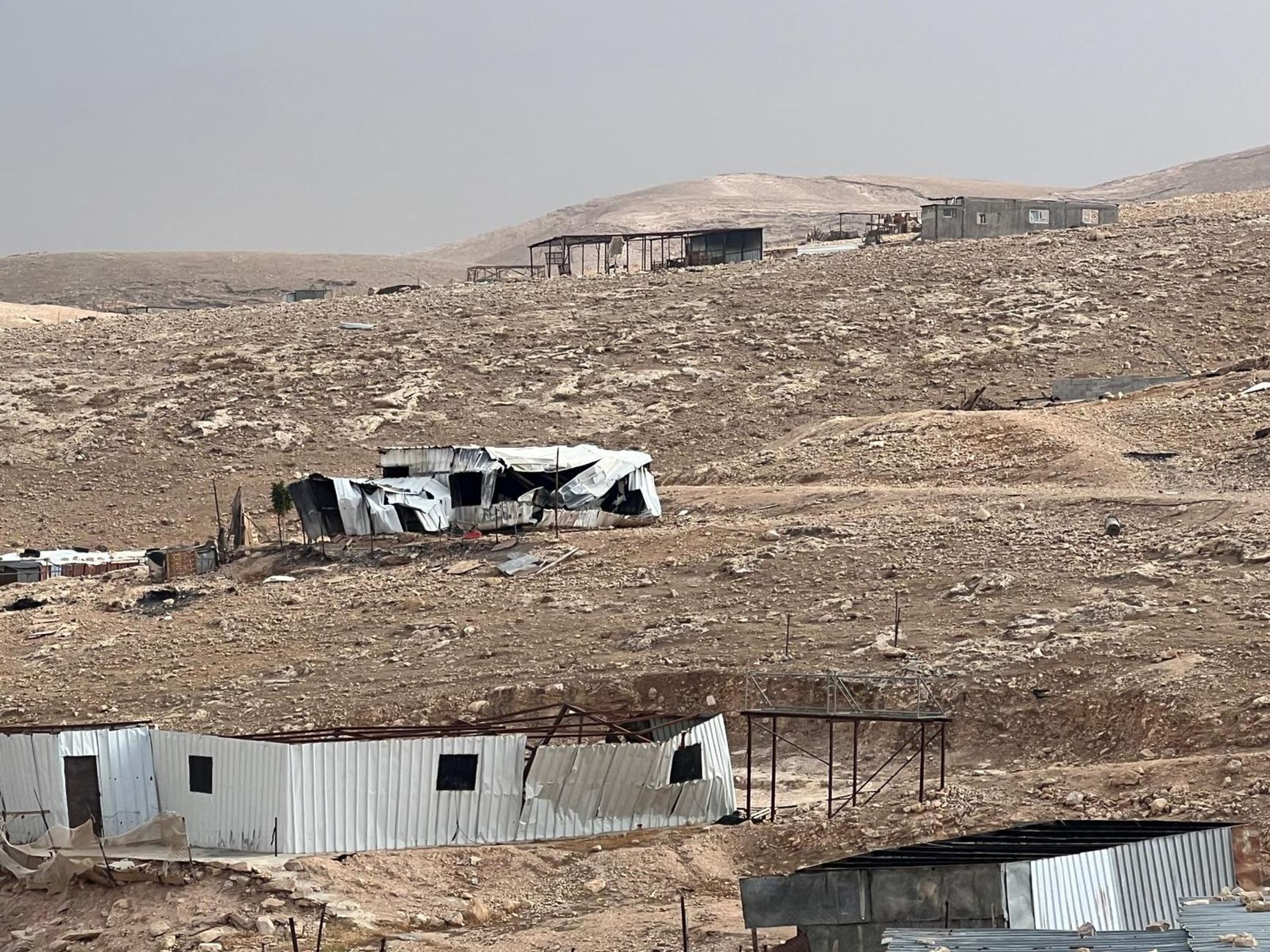
Outposts are typically established on state land, although they are also occasionally located on privately owned Palestinian land. Their construction is believed to have begun in the early 1990s, and according to human rights groups, the total number has now surpassed 300.
In the past outposts would be sometimes demolished by the Israeli government itself. However, since National Religious Party–Religious Zionism leader Bezalel Smotrich became Minister of Defense in 2023, this practice has stopped.
Smotrich is the author of Israel’s Decisive Plan for settling the Palestinian territories with Jews via a “creeping annexation” of Zone C. In 2023, under Smotrich’s influence, the Ministry of Defense established the Settlement Division: a body whose powers include issuing permits for settlement construction, infrastructure, water and electricity supply, and road construction.
As for the Hilltop Youth, former Shin Bet officer Dvir Kariv described them to The Insider by saying:
“If a secular student drops out of high school or college, they might go to Eilat to hang out on the beaches. If a religious teenager drops out, in most cases they go to the ‘territories’ and join the Hilltop Youth. A decade ago, such dropouts made up roughly half of the Hilltop Youth. They usually go there seeking adventure or romance, but quickly become radicalized in constant clashes with Palestinians and the army.”
Waqf, Ḥabus (Arabic: “holding”) — in Islamic law, movable or immovable property that is donated or bequeathed for charitable and religious purposes.
Israeli military, political, and government official who held the positions of Minister of Defense and Minister of Transportation.
One dunam is approximately 1,000 m².
The first Israeli-Palestinian agreements were signed in 1993. In the Declaration of Principles (DOP), also known as the Oslo I Accord, the State of Israel and the PLO recognized each other’s “political rights.” The negotiations aimed to establish a temporary Palestinian self-government body for a transitional period of up to five years. In the first phase, the Gaza Strip (excluding areas with Jewish settlements) and Jericho were placed under its authority. Further redeployment of Israeli forces was outlined in the Oslo II Accord, signed two years later. The West Bank (Judea and Samaria) was divided into zones A, B, and C.
As of late October 2025.
As of November 24.
Religious youth go to the settlements seeking adventure or romance, but they quickly become radicalized
Recently, outposts have increasingly been called “farms.” The Settlement Division and the Ministry of Settlements and National Missions, headed by Smotrich’s fellow party member Orit Struk, officially provide them with ATVs and even build roads for them to drive on. Outposts are usually constructed in close proximity to Arab and Bedouin communities.
Over the past two years, virtually every Arab and Bedouin village in Zone C has found itself surrounded by such “farms.” In some areas, Jewish construction has come right up against Zone A Palestinian communities. For example, the Palestinian village of Ein ad-Duyuk is located at the very edge of Zone A and is tightly surrounded on the Zone C side by outposts, whose residents raid the village, damage property, and assault Palestinians and foreign volunteers.
Another significant change in recent years has been the construction of Jewish outposts in Zone B, which was previously prohibited. Formally, this is still not allowed, but in recent years the ban has largely been ignored, and the leaders of the Hilltop Youth openly benefit from it.
Waqf, Ḥabus (Arabic: “holding”) — in Islamic law, movable or immovable property that is donated or bequeathed for charitable and religious purposes.
Israeli military, political, and government official who held the positions of Minister of Defense and Minister of Transportation.
One dunam is approximately 1,000 m².
The first Israeli-Palestinian agreements were signed in 1993. In the Declaration of Principles (DOP), also known as the Oslo I Accord, the State of Israel and the PLO recognized each other’s “political rights.” The negotiations aimed to establish a temporary Palestinian self-government body for a transitional period of up to five years. In the first phase, the Gaza Strip (excluding areas with Jewish settlements) and Jericho were placed under its authority. Further redeployment of Israeli forces was outlined in the Oslo II Accord, signed two years later. The West Bank (Judea and Samaria) was divided into zones A, B, and C.
As of late October 2025.
As of November 24.
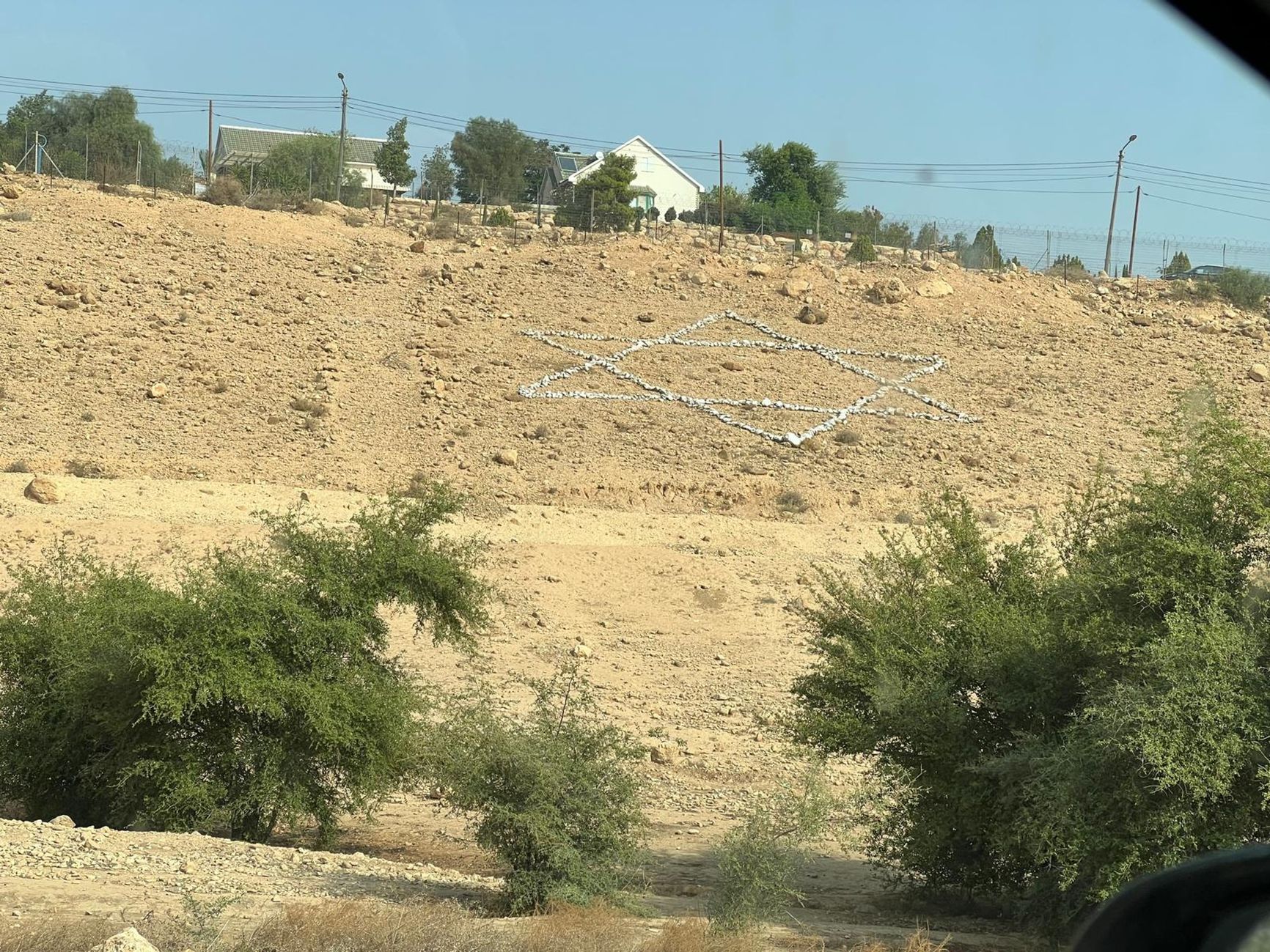
One of them, Elisha Yered, a former press secretary for Knesset member Limor Son Har-Melech of the far-right Otzma Yehudit (“Jewish Power”) party, has been repeatedly detained by police on suspicion of terrorism, incitement to terrorism, murder, and assault. In one of his articles, Yered describes the acts of the Hilltop Youth as a “fateful struggle for the settlement of Judea and Samaria.”
While activists view the unauthorized construction as the settlement of historically Jewish lands, human rights defenders see it as ethnic cleansing. After all, it is precisely in the areas where the “farms” appear that Palestinians are pressured to leave their homes.
Olive groves are the main source of income for Palestinians in Zone C, and as a result, during the harvest season from October to November clashes between Palestinians and the Hilltop Youth intensify. This is largely due to the location of the olive groves, which often extend right up to the borders of Jewish settlements and outposts.
For example, Burin, a large Palestinian village located in Zone C near Nablus, is positioned between the Yitzhar settlement and the Givat Ronen outpost. During the olive harvest season (though not only), youth from Givat Ronen routinely attack the villagers. In previous harvesting seasons, such attacks could sometimes be deterred by the presence of Jewish volunteers. However, this year their protection was of little help. On Nov. 8, 2025, when locals and volunteers were harvesting olives on a hillside between Givat Ronen and Burin, they were attacked by several dozen people wielding clubs and stones. Palestinian locals and Jewish volunteers alike were beaten. Israeli volunteer Yuval Ben Ari suffered a head injury, and olive farm owner Bashar had his leg broken, while several other harvesters sustained less severe injuries.
Waqf, Ḥabus (Arabic: “holding”) — in Islamic law, movable or immovable property that is donated or bequeathed for charitable and religious purposes.
Israeli military, political, and government official who held the positions of Minister of Defense and Minister of Transportation.
One dunam is approximately 1,000 m².
The first Israeli-Palestinian agreements were signed in 1993. In the Declaration of Principles (DOP), also known as the Oslo I Accord, the State of Israel and the PLO recognized each other’s “political rights.” The negotiations aimed to establish a temporary Palestinian self-government body for a transitional period of up to five years. In the first phase, the Gaza Strip (excluding areas with Jewish settlements) and Jericho were placed under its authority. Further redeployment of Israeli forces was outlined in the Oslo II Accord, signed two years later. The West Bank (Judea and Samaria) was divided into zones A, B, and C.
As of late October 2025.
As of November 24.
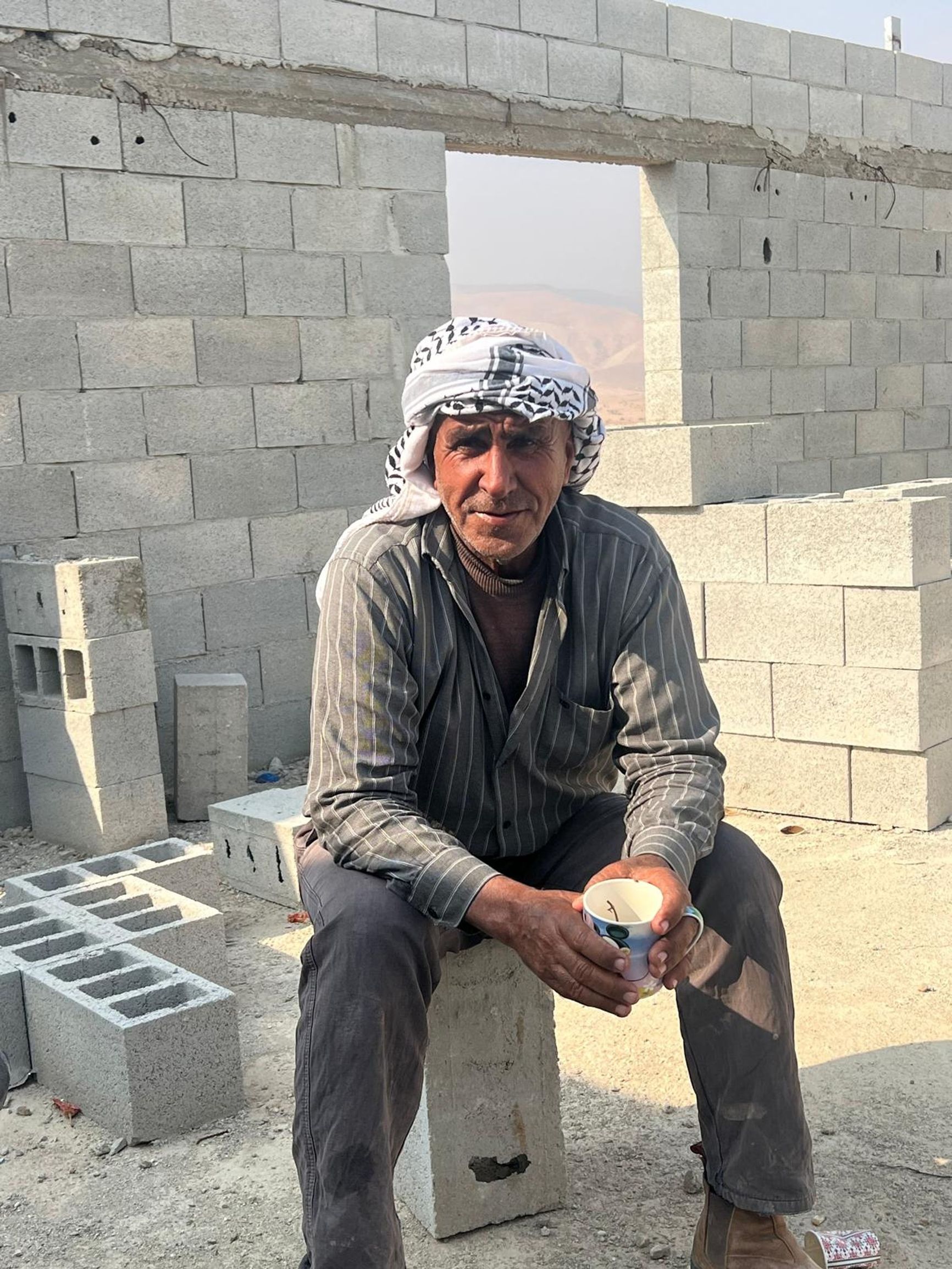
Bashar’s house is located at the edge of the village, and the Givat Ronen outpost sits on a hill just above, a few hundred meters away. Bashar harvests olives, preserves them, produces olive oil, and sells his products primarily to Jews. His wife makes candles, which are also sold in Jewish settlements. Bashar has three daughters. He knows a little Hebrew, but his wife and daughters speak English.
As Bashar told The Insider, the residents of Givat Ronen had “always been rowdy,” but the attacks increased after Oct. 7, 2023. According to him, no Saturday goes by without youth and teenagers from Givat Ronen showing up in white festive Shabbat clothing — sometimes just shouting insults, sometimes tossing stones at houses and their residents. For several months now, Israeli volunteers from the “ Looking the Occupation in the Eye” movement have been visiting Bashar’s home every Saturday. Each Saturday, Bashar and the volunteers call the police. Sometimes the authorities arrive while the settlers surrounding the house are still there, and they disperse. Other times, the police arrive after everyone has left — or they do not show up at all.
After the Nov. 8 attack, Bashar gave testimony to the police several times. But so far, according to him, none of the attackers he identified have been detained — as was the case following Yuval Ben Ari’s testimony.
“The settlers keep shouting that this is their home and that we should get out. Even Elisha Yered once made an appearance. I asked him where, in his opinion, we were supposed to go. He explained that we should emigrate to Saudi Arabia,” Bashar recounts.
Sometimes olive groves are uprooted as a form of punishment for attacks carried out by Palestinians. After a resident of the village of al-Mughayyir injured a settler this past August, the commander of the IDF’s Central District ordered the destruction of 300 dunams of olive groves. In the end, over 600 dunams of olive trees around the village were destroyed. Several outposts have risen above the now-barren fields and the village on both sides of the road.
As we drive past these fields, Doron of Looking the Occupation in the Eye explains that any Zone C village whose resident carries out an attack becomes a target for settler retaliation. The IDF and police do not intervene.
“After attacks, it’s not just the Hilltop Youth who target the village, but thousands of ordinary settlers. When a terrorist from the village of Bruqin shot at the car of the pregnant Tzeela Gez, killing her and her unborn child, the entire village was subjected to a lynching. Afterwards, it remained under siege for a long time, with food being delivered there by the army for several months,” Doron explains.
Waqf, Ḥabus (Arabic: “holding”) — in Islamic law, movable or immovable property that is donated or bequeathed for charitable and religious purposes.
Israeli military, political, and government official who held the positions of Minister of Defense and Minister of Transportation.
One dunam is approximately 1,000 m².
The first Israeli-Palestinian agreements were signed in 1993. In the Declaration of Principles (DOP), also known as the Oslo I Accord, the State of Israel and the PLO recognized each other’s “political rights.” The negotiations aimed to establish a temporary Palestinian self-government body for a transitional period of up to five years. In the first phase, the Gaza Strip (excluding areas with Jewish settlements) and Jericho were placed under its authority. Further redeployment of Israeli forces was outlined in the Oslo II Accord, signed two years later. The West Bank (Judea and Samaria) was divided into zones A, B, and C.
As of late October 2025.
As of November 24.
After Palestinian attacks, it’s not just the Hilltop Youth who target the village, but thousands of ordinary settlers
Doron is a retired colonel and career soldier who served in the IDF his entire life. After retiring, he began working with the organization Looking the Occupation in the Eye, which primarily seeks to protect Palestinian residents of Zone C from settler attacks while documenting the incidents that inevitably still occur. On one occasion, Doron’s car was fired upon by Palestinian militants. On another, he was severely beaten by settlers during the olive harvest.
Doron says that the situation in the territories changed sharply after the war began, but it all started back in 2017. “The last chief of staff who considered the issue of Jewish terror important was Gadi Eisenkot. Since then, political pressure from above and demographic changes within the IDF have made Palestinians in the territories completely powerless. The army only acts when someone [on the Palestinian side] is killed or hospitalized, because killings can ignite terror in the territories. But when Palestinians are simply humiliated, terrorized, or deprived of income or freedom of movement, no one cares,” Doron explains. “Outposts began to sprout like mushrooms after rain. A road is built to every ‘farm’ within two weeks. Look around — these fields used to be where Palestinian livestock grazed, and now only herds owned by Jews graze here.”
Shortly after the Six-Day War, Israeli general and politician Yigal Allon proposed a plan to lay the groundwork for peace with Israel’s Arab neighbors. This envisioned returning most of the territories occupied by Israel during the war while annexing the Jordan Valley — a sparsely populated area at the time, inhabited only by a small number of Bedouin tribes. The Allon Plan was never adopted, but in 2019 the first Jewish “farms” began to appear in the Jordan Valley, and their residents effectively set about implementing their own version of the “Allon Plan.”
Immediately after the Oct. 7 attack in 2023, farm residents began actively driving Bedouins off the land. Attacks by the Hilltop Youth became more frequent, and the army even restricted Jewish shepherds drove off entire Bedouin herds, preventing them from grazing nearby.
Israeli and foreign volunteers often witnessed livestock thefts and attacks. Numerous video recordings document incidents in which the attackers typically have their faces covered with scarves. However, the authorities investigate only the most high-profile raids, and neither the police nor the army provide meaningful protection to the Bedouins.
One such incident took place at a school in the village of al-Mu‘arrajat. Another Israeli volunteer, Daniel, a retired sociologist, details the attack:
“We were on duty in al-Mu‘arrajat almost constantly, because the village had been attacked before. But the attacks became frequent only after a farm was built right across the road by a well-known Hilltop Youth activist, Zohar Sabah. One day I arrived in the village and saw a crowd of settlers running toward the school. By the time we got there, they were already smashing classrooms. Almost all the children and teachers had fled, and the attackers had beaten and tied up the school principal. We were attacked as well. The assailants didn’t even bother to hide their faces, and when the army arrived, they simply got into their cars and drove away.”
Daniel himself was severely beaten with clubs and had his arm broken. Several of the attackers who had their faces uncovered were later detained.
Shortly after the incident, the village mosque was set on fire, and settlers later set up a tent within the village grounds. As a result, in July 2025 the few dozen residents still living in al-Mu‘arrajat decided to leave. They now live in Zone A, north of Jericho.
We went there to speak with Aliya, a former resident of al-Mu‘arrajat who is now a student at Jericho University and hopes to stay there to teach. According to her, al-Mu‘arrajat was a community of no more than a hundred families who settled in the area in 1967. Soon a primary school was opened in the village, and for higher grades, village students traveled to Jericho by a bus provided by the Palestinian Authority’s Ministry of Education.
Waqf, Ḥabus (Arabic: “holding”) — in Islamic law, movable or immovable property that is donated or bequeathed for charitable and religious purposes.
Israeli military, political, and government official who held the positions of Minister of Defense and Minister of Transportation.
One dunam is approximately 1,000 m².
The first Israeli-Palestinian agreements were signed in 1993. In the Declaration of Principles (DOP), also known as the Oslo I Accord, the State of Israel and the PLO recognized each other’s “political rights.” The negotiations aimed to establish a temporary Palestinian self-government body for a transitional period of up to five years. In the first phase, the Gaza Strip (excluding areas with Jewish settlements) and Jericho were placed under its authority. Further redeployment of Israeli forces was outlined in the Oslo II Accord, signed two years later. The West Bank (Judea and Samaria) was divided into zones A, B, and C.
As of late October 2025.
As of November 24.
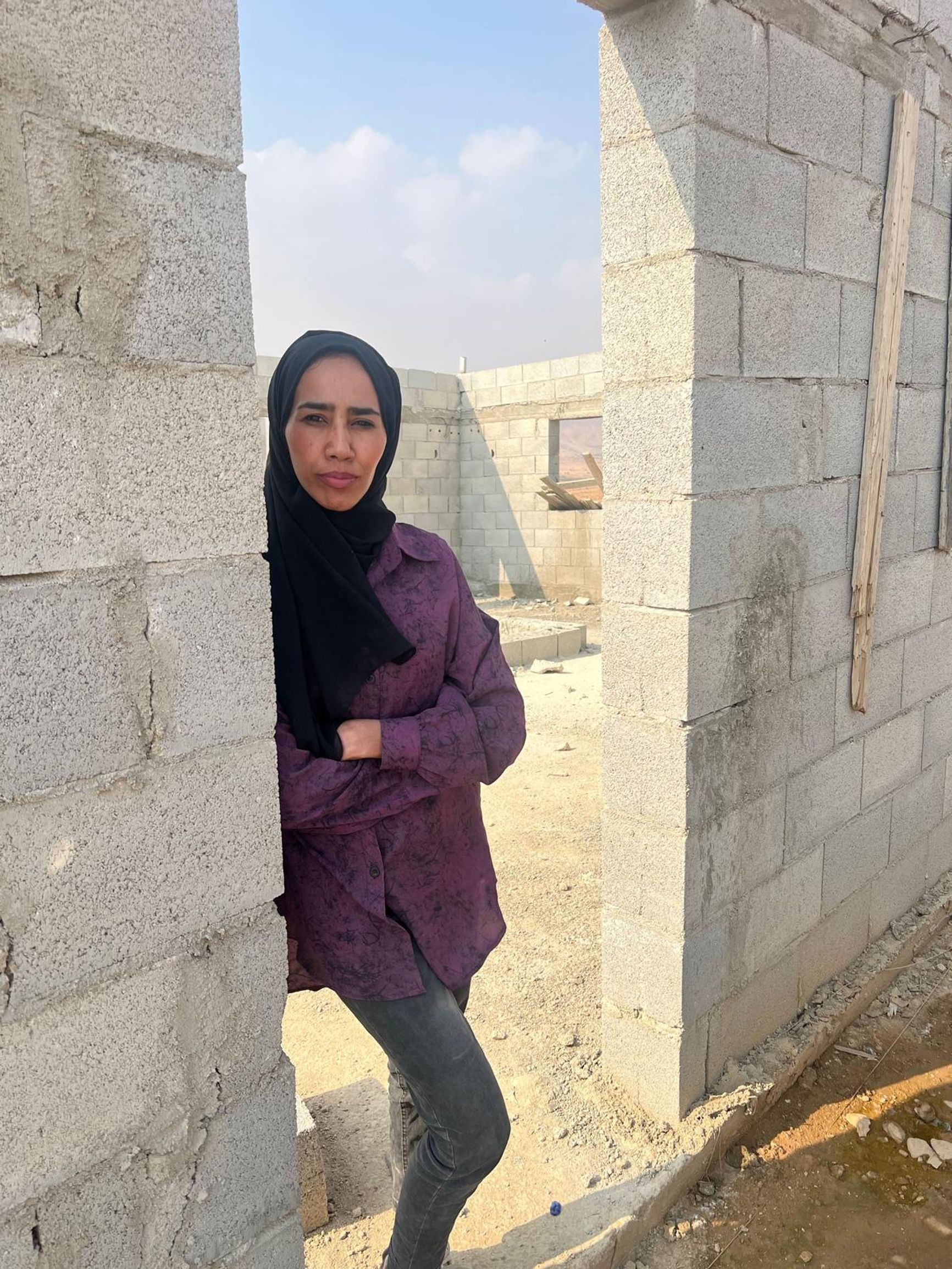
Aliya could not attend high school because she had to help her family and tend the livestock. She took her matriculation exams externally but still managed to enroll in university. Aliya’s siblings also completed school with honors, and her older brother works as an anesthesiologist at a hospital in Ramallah. As Aliya’s father told The Insider, “the occupation has always existed, but it hasn’t always interfered with mutual respect… Our school was opened by Yitzhak Mordechai himself, and we grazed our sheep on all the neighboring fields, right up to the fence of the military base.”
Aliya confirms this:
“We had a good, peaceful life. Settler attacks began in 2021, when Zohar Sabah built his farm. They started grazing their livestock where ours used to graze. They attacked us and stole our animals. We regularly called the army and the police. But after October 7, complaints became completely useless. Settlers began walking through the village, often in military uniforms and armed, while the police and army did nothing. [Settlers] tried to run over people leaving the village for work or school, and set houses on fire. They came into our yard with scarves covering their faces, carrying weapons. Then they attacked the school and burned down the mosque. After that, several dozen people pitched a tent in the middle of the village and started living there. That’s when we decided it was time to leave.”
Waqf, Ḥabus (Arabic: “holding”) — in Islamic law, movable or immovable property that is donated or bequeathed for charitable and religious purposes.
Israeli military, political, and government official who held the positions of Minister of Defense and Minister of Transportation.
One dunam is approximately 1,000 m².
The first Israeli-Palestinian agreements were signed in 1993. In the Declaration of Principles (DOP), also known as the Oslo I Accord, the State of Israel and the PLO recognized each other’s “political rights.” The negotiations aimed to establish a temporary Palestinian self-government body for a transitional period of up to five years. In the first phase, the Gaza Strip (excluding areas with Jewish settlements) and Jericho were placed under its authority. Further redeployment of Israeli forces was outlined in the Oslo II Accord, signed two years later. The West Bank (Judea and Samaria) was divided into zones A, B, and C.
As of late October 2025.
As of November 24.
After Oct. 7, settlers often walked through the village in military uniforms, armed, while the police and army did not intervene
The families from al-Mu‘arrajat first moved to a plot south of Jericho, where there was water, electricity, and a school nearby. But Aliya says that as soon as the Bedouins set up camp there, settlers arrived and began driving them out. According to Aliya, the military arrived very quickly, telling the victims: “You have four hours to leave this place. After that, we will leave, and there will be no one to protect you.” Aliya’s family moved again, this time to Zone A beyond Jericho, a place with no access to clean water or schools.
The local Palestinian authorities are unhappy about the Bedouins relocating to their territory. Aliya says her family spent all their savings building a sheep pen and buying feed, since there is nowhere to graze their livestock. Her parents began constructing a house, but they ran out of money and now live in a tent. The land around Jericho is Waqf, and no one wants to see Bedouins from Zone C there. Both the Palestinian and the Israeli authorities are urging them to return to al-Mu‘arrajat.
On July 25, 2025, the Israeli Supreme Court of Justice (Bagatz) issued a ruling on a lawsuit filed by the residents of al-Mu‘arrajat against the IDF, the police, the Ministry of Defense, and other defendants, whom the Bedouins accused of being responsible for their forced displacement. The Bagatz ruling stated that the defendants did not object to the Bedouins returning to their homes. Therefore, “within the next seven days and in accordance with the security situation, the plaintiffs must coordinate with the army regarding their return to the village.”
The court also recommended that the defendants declare the village a closed area to Israelis. Following the ruling, some villagers returned to al-Mu‘arrajat on Aug. 2, accompanied by Israeli volunteers and the army. At around 11:00 p.m., according to detailed accounts from the volunteers, the last army jeep left the village. Twenty minutes later, settlers arrived and set houses on fire. At 1:00 a.m., the Bedouins left the village for good.
After Oct. 7, 2023, settlers drove out dozens of Bedouin villages in Zone C. The Israeli human rights organization B’Tselem (Information Center for Human Rights in the Occupied Territories) maintains a registry of communities that have been fully or partially displaced.
In the last relatively large Bedouin village in the Jordan Valley, Ras 'Ein al 'Auja, volunteers now stand watch around the clock. On a hill a few hundred meters from the village sits a “farm” whose residents are trying to force the Bedouins of Ras 'Ein al 'Auja to leave as well. So far, there have been no cases of serious violence (only livestock theft).
As we enter the village, we immediately see an ATV carrying people with scarves covering their faces. The ATV speeds toward our car, forcing us off the road. Behind it walks a shepherd from a Jewish farm, trying to drive a herd of goats right through the village. The village goats and sheep are all in pens, and residents are waiting for the settlers to leave. Volunteers try to stop the shepherd and remind him that he is only allowed to graze his herd at a distance of no less than 30 meters from Bedouin structures. The police arrive, persuade the shepherd to move the herd to the required distance, and photograph the volunteers’ documents. Among the volunteers are foreigners, who fear this could result in either deportation or a ban on entering the country.
Waqf, Ḥabus (Arabic: “holding”) — in Islamic law, movable or immovable property that is donated or bequeathed for charitable and religious purposes.
Israeli military, political, and government official who held the positions of Minister of Defense and Minister of Transportation.
One dunam is approximately 1,000 m².
The first Israeli-Palestinian agreements were signed in 1993. In the Declaration of Principles (DOP), also known as the Oslo I Accord, the State of Israel and the PLO recognized each other’s “political rights.” The negotiations aimed to establish a temporary Palestinian self-government body for a transitional period of up to five years. In the first phase, the Gaza Strip (excluding areas with Jewish settlements) and Jericho were placed under its authority. Further redeployment of Israeli forces was outlined in the Oslo II Accord, signed two years later. The West Bank (Judea and Samaria) was divided into zones A, B, and C.
As of late October 2025.
As of November 24.
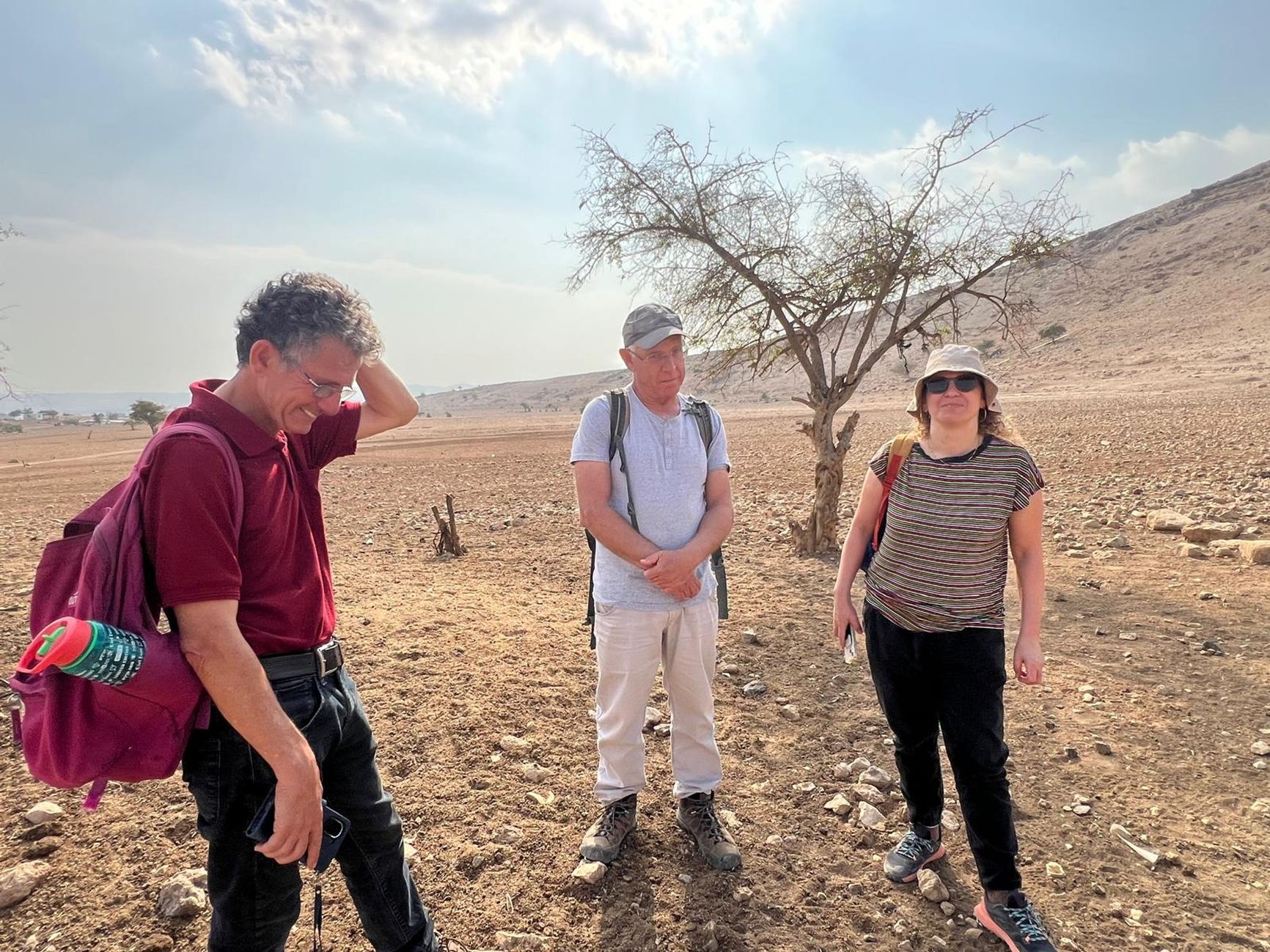
The Jewish shepherd refused to speak with The Insider, but the volunteers were willing to talk. Ram, a retired geologist, and Keren, a child psychologist, both stand watch in Ras 'Ein al 'Auja once a week for 12 hours at a time. The Bedouins are afraid to graze their livestock far from the village, so they keep the animals in pens almost all the time and buy feed for them.
Ram and Keren say that they have never been physically attacked in the village. However, they do not count shouting, spitting, or verbal provocations as attacks. And on one occasion Ram was detained by the police following a complaint from a farm resident who accused him of assault.
“The situation was roughly the same as it is now. See the shepherd? He tried to pass through the village but couldn’t. Now that the police have left, he has two options: either go around on the way back or drive the herd straight toward us. If he drives the herd at us, we try to block him — we don’t want the herd to go right through the yards. The Palestinians are afraid of the IDF, so they don’t make a sound. Reasoning with either the shepherd or the animals is useless, but sometimes, when there are several of us, they decide not to confront us. Other times, they just plow through.”
Waqf, Ḥabus (Arabic: “holding”) — in Islamic law, movable or immovable property that is donated or bequeathed for charitable and religious purposes.
Israeli military, political, and government official who held the positions of Minister of Defense and Minister of Transportation.
One dunam is approximately 1,000 m².
The first Israeli-Palestinian agreements were signed in 1993. In the Declaration of Principles (DOP), also known as the Oslo I Accord, the State of Israel and the PLO recognized each other’s “political rights.” The negotiations aimed to establish a temporary Palestinian self-government body for a transitional period of up to five years. In the first phase, the Gaza Strip (excluding areas with Jewish settlements) and Jericho were placed under its authority. Further redeployment of Israeli forces was outlined in the Oslo II Accord, signed two years later. The West Bank (Judea and Samaria) was divided into zones A, B, and C.
As of late October 2025.
As of November 24.
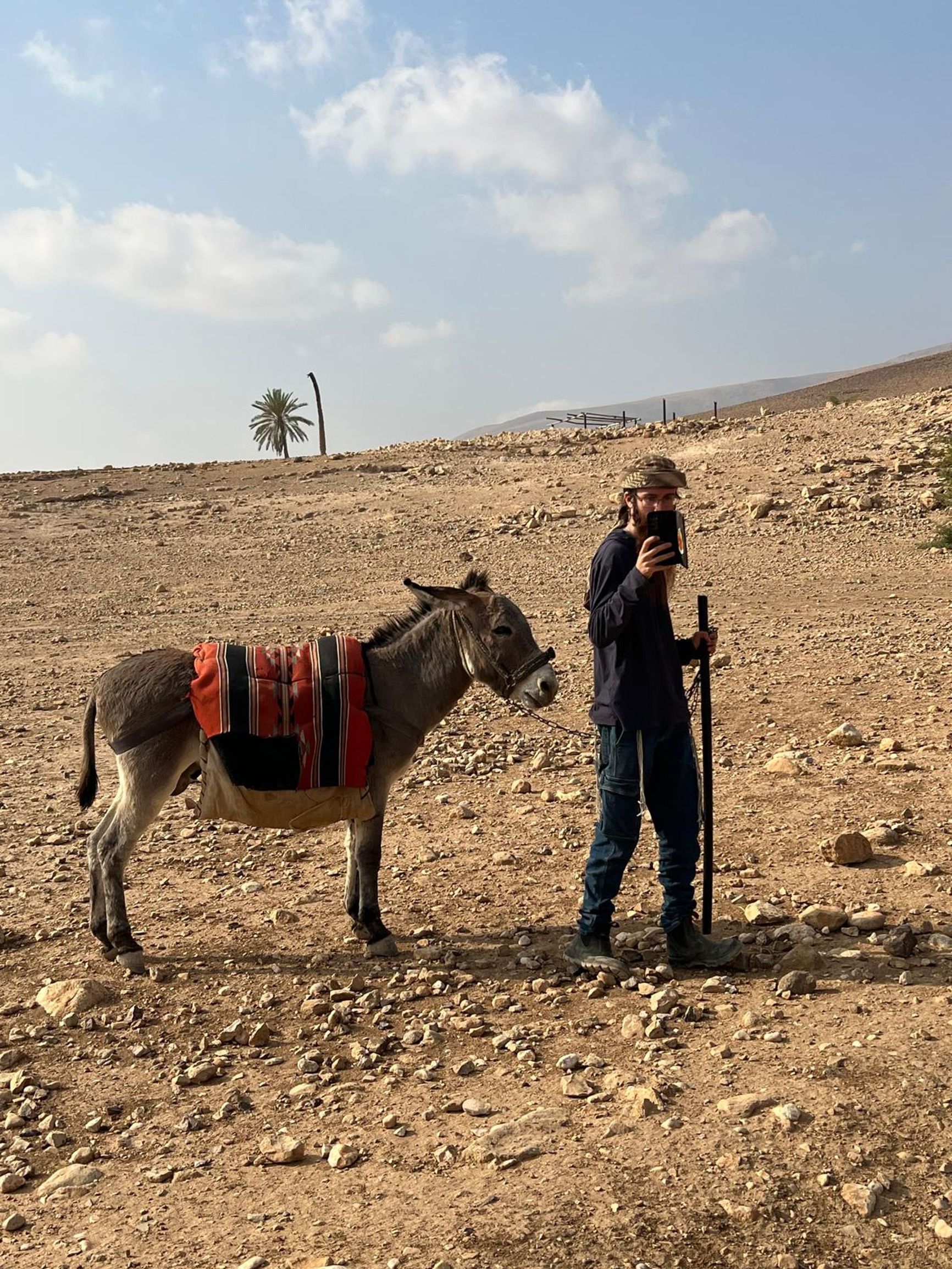
This time, the shepherd indeed decides not to confront them. As he drives the herd around the Bedouin yards, the Bedouins finally begin letting their livestock out of the pens.
Leaders of the settler movement claim to condemn violence. They refused to speak with The Insider, but on Israeli television and radio, they say that attacks on Palestinians are carried out by “a small group of marginal individuals” who do not represent the entire settler movement. However, many Israeli volunteers who protect Palestinians do not believe these words.
“Every outpost, every farm falls within the mandate of a regional council. All commanders of settlement defense squads are supposed to know — and they do know — everyone living on the neighboring hill. They support them silently,” Doron asserts.
Former Shin Bet officer Dvir Kariv has a different view:
“Normal settlers, who are the majority, are themselves afraid of these criminals. See, these are ordinary criminals with an ideology, sometimes even without one. Ten years ago, when I was still working at Shin Bet, I witnessed an outpost built next to a settlement start stealing water from it. The commander of the settlement defense squad shut off their tap. Literally the next day, all four tires of his car were slashed, and the tap was opened again. It is up to the army and the police to deal with these criminals and maintain order in the territories. For many years, this fight continued — quite effectively, and not without our help. It’s a matter of will.”
Kariv believes that the police and army are currently in no hurry to combat Jewish intimidation of Palestinians because they are following orders from above. According to him, not a single leader or member of parliament from parties associated with the settler movement has condemned this inaction. In Kariv’s view, this in itself amounts to support for the terror.
“Itamar Ben-Gvir, who heads the Ministry of National Security, used to defend these very Jewish terrorists in court. Now he protects them from his ministerial seat, since he effectively controls the police,” Kariv says.
The former Shin Bet officer explains how the “Jewish Department” where he worked used to combat terror. Shin Bet carried out surveillance using various technical means and maintained a network of agents within the Hilltop Youth, thus obtaining an objective picture of what was going on. If there were clear signs that an extremist intended to carry out an attack, Shin Bet would ask the police to summon them to the station for questioning. “Usually, such conversations and the threat of arrest helped, as did our joint pressure with the police on the extremist’s surroundings. If these methods didn’t work, we could resort to another measure — administrative detention, Kariv explains.
However, things have changed since he left the service:
“Shin Bet's purpose is to prevent terrorist attacks, but to do that it needs the police or the army. In recent years, whenever the Shin Bet has asked the police to detain a Jew for questioning, the police have demanded evidence against the suspect. But we cannot disclose our sources of information. As a result, the police do not cooperate with us. The army cannot arrest a Jewish suspect at our request either. That leaves us with a single, least effective, tool — a restrictive order banning entry to certain areas,” Kariv continues.
Waqf, Ḥabus (Arabic: “holding”) — in Islamic law, movable or immovable property that is donated or bequeathed for charitable and religious purposes.
Israeli military, political, and government official who held the positions of Minister of Defense and Minister of Transportation.
One dunam is approximately 1,000 m².
The first Israeli-Palestinian agreements were signed in 1993. In the Declaration of Principles (DOP), also known as the Oslo I Accord, the State of Israel and the PLO recognized each other’s “political rights.” The negotiations aimed to establish a temporary Palestinian self-government body for a transitional period of up to five years. In the first phase, the Gaza Strip (excluding areas with Jewish settlements) and Jericho were placed under its authority. Further redeployment of Israeli forces was outlined in the Oslo II Accord, signed two years later. The West Bank (Judea and Samaria) was divided into zones A, B, and C.
As of late October 2025.
As of November 24.
The IDF press office told The Insider that over the past year, the commander of the IDF Central District signed several dozen orders banning entry to Palestinian territories. However, Kariv says these have mainly been issued against Muslims:
“If Shin Bet asks the police to detain a Muslim named Musa who, according to our information, is preparing to attack Jews, the arrest will follow immediately and without question. If we ask them to arrest not Musa but Moshe, who is planning to carry out a terrorist attack against Palestinians, the police response should be the same. Unfortunately, for the past three years this has not been the case,” Kariv claims.
Waqf, Ḥabus (Arabic: “holding”) — in Islamic law, movable or immovable property that is donated or bequeathed for charitable and religious purposes.
Israeli military, political, and government official who held the positions of Minister of Defense and Minister of Transportation.
One dunam is approximately 1,000 m².
The first Israeli-Palestinian agreements were signed in 1993. In the Declaration of Principles (DOP), also known as the Oslo I Accord, the State of Israel and the PLO recognized each other’s “political rights.” The negotiations aimed to establish a temporary Palestinian self-government body for a transitional period of up to five years. In the first phase, the Gaza Strip (excluding areas with Jewish settlements) and Jericho were placed under its authority. Further redeployment of Israeli forces was outlined in the Oslo II Accord, signed two years later. The West Bank (Judea and Samaria) was divided into zones A, B, and C.
As of late October 2025.
As of November 24.
The Israeli army almost always sides with the Israelis and seldom investigates who attacked first
The result is a problem that is even more insidious than the documented evidence indicates. Incidents that do not result in hospitalization, property damage, or death rarely make it into statistics published by the UN, human rights organizations, or even the Israeli authorities. This means that when Israelis enter Palestinian homes, steal livestock, drive herds straight through other people’s yards, and throw stones, Palestinians rarely dare to resist. In a fight, the Israeli army almost always sides with the Israelis and seldom investigates who attacked first (except in cases where settlers attack IDF soldiers themselves). Everything that happens in the “Wild West Bank” occurs with the knowledge — and often with the tacit (or not so tacit) encouragement — of the state.
Waqf, Ḥabus (Arabic: “holding”) — in Islamic law, movable or immovable property that is donated or bequeathed for charitable and religious purposes.
Israeli military, political, and government official who held the positions of Minister of Defense and Minister of Transportation.
One dunam is approximately 1,000 m².
The first Israeli-Palestinian agreements were signed in 1993. In the Declaration of Principles (DOP), also known as the Oslo I Accord, the State of Israel and the PLO recognized each other’s “political rights.” The negotiations aimed to establish a temporary Palestinian self-government body for a transitional period of up to five years. In the first phase, the Gaza Strip (excluding areas with Jewish settlements) and Jericho were placed under its authority. Further redeployment of Israeli forces was outlined in the Oslo II Accord, signed two years later. The West Bank (Judea and Samaria) was divided into zones A, B, and C.
As of late October 2025.
As of November 24.
К сожалению, браузер, которым вы пользуйтесь, устарел и не позволяет корректно отображать сайт. Пожалуйста, установите любой из современных браузеров, например:
Google Chrome Firefox Safari