News
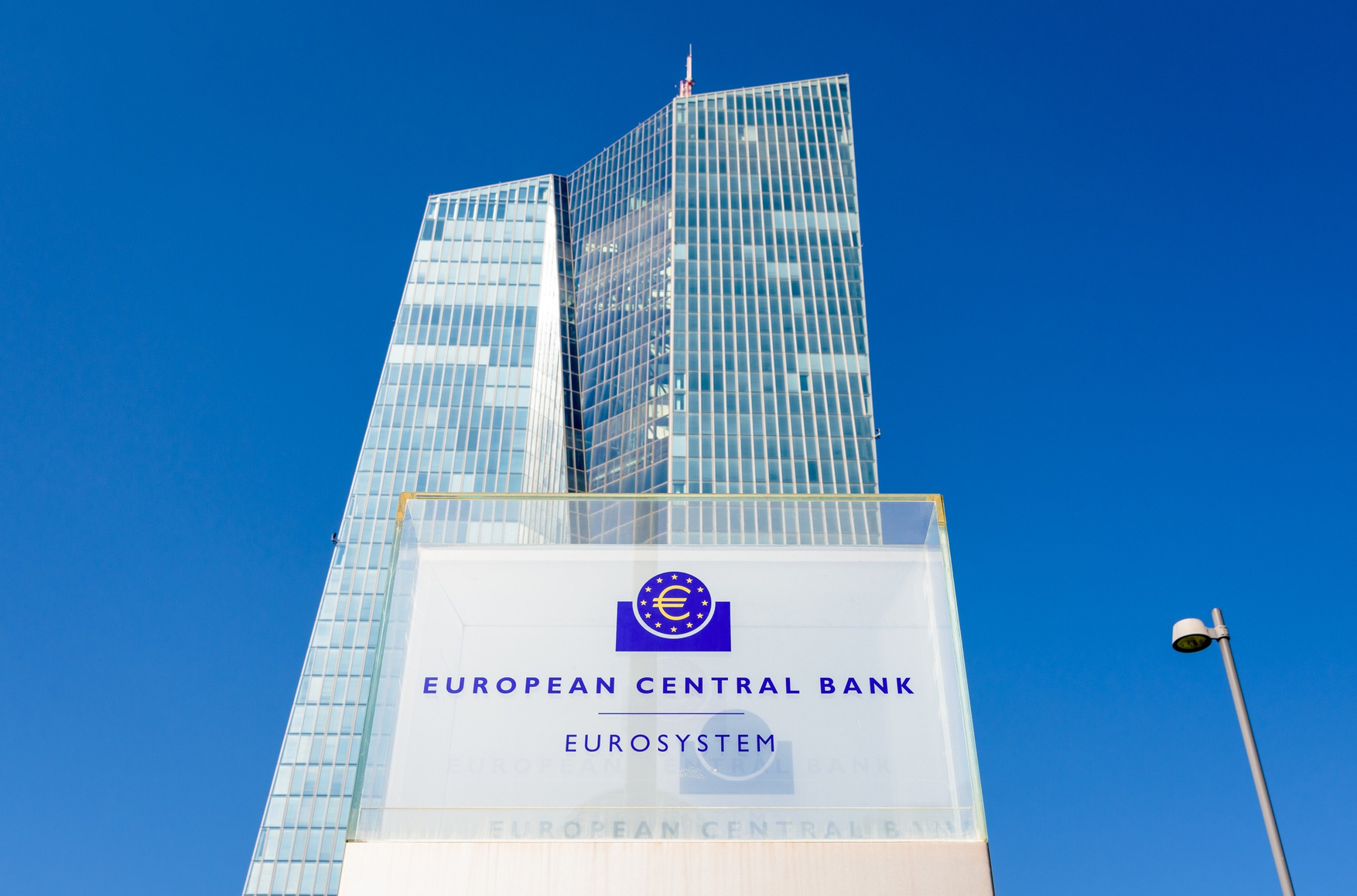
The European Central Bank (ECB) has refused to provide guarantees for a proposed €140 billion loan to Ukraine that would be backed by Russian assets frozen in the Belgian depository Euroclear, the Financial Times reported on Dec. 2. The plan would have obliged Ukraine to repay the sum only in the event that Moscow ultimately provided reparations payments to Kyiv in the appropriate amount.
Belgian Foreign Minister Maxime Prévot later accused the European Union of “downplaying” the potential negative consequences of the proposal. “We continue to argue for an alternative, namely that the EU borrow the required amount on the markets,” he said.
Financial analyst Alexander Kolyandr, a senior fellow at the Center for European Policy Analysis (CEPA), told The Insider that the Belgian government fears it could ultimately be obligated to repay the funds to Russia.
“The ECB’s refusal looks justified within its mandate. Belgium is saying: ‘Let’s consider a scenario in which sanctions on the Russian central bank are suddenly lifted. Then Russia has the right to demand its frozen assets back, but bonds have already been issued against them, and we would have to pay either out of Euroclear’s capital or directly from Belgian funds.’ If a hole appears in Euroclear’s capital, the Belgian government would have to fill it, because Belgium is a Euroclear shareholder.
They are trying to develop a mechanism that would ensure they are not left alone facing these claims. European governments and the European Commission are saying Ukraine must be given a loan, but they also need a safeguard in case Russia demands the assets back. [Belgium is saying], ‘we can guarantee the reparations bonds, but if Russia demands the return of the assets, we want the ECB to guarantee those bonds as well.’
But the ECB says it cannot do that because of the ban on monetary financing. The bank is prohibited from directly lending to a government. So formally, the ECB acted correctly.
At the same time, without this money, it is difficult — if not impossible — to support Ukraine. Europe needs to find a way to finance it, and the IMF has to launch its assistance program. The funds could be raised through taxes, but no one wants that, or through issuing bonds — borrowing on the market — but no one wants to increase debt either. They are now trying to design a scheme. If they fail, it will mean the end of financing for Ukraine, and then it’s unclear where it will get the money for reconstruction.”
According to Prévot, if Moscow takes Brussels to court, it would have a strong chance of winning, and Belgium would be unable to return the required sum because it is “the equivalent of an entire year of the federal budget. It would mean bankruptcy for Belgium.”