Confession
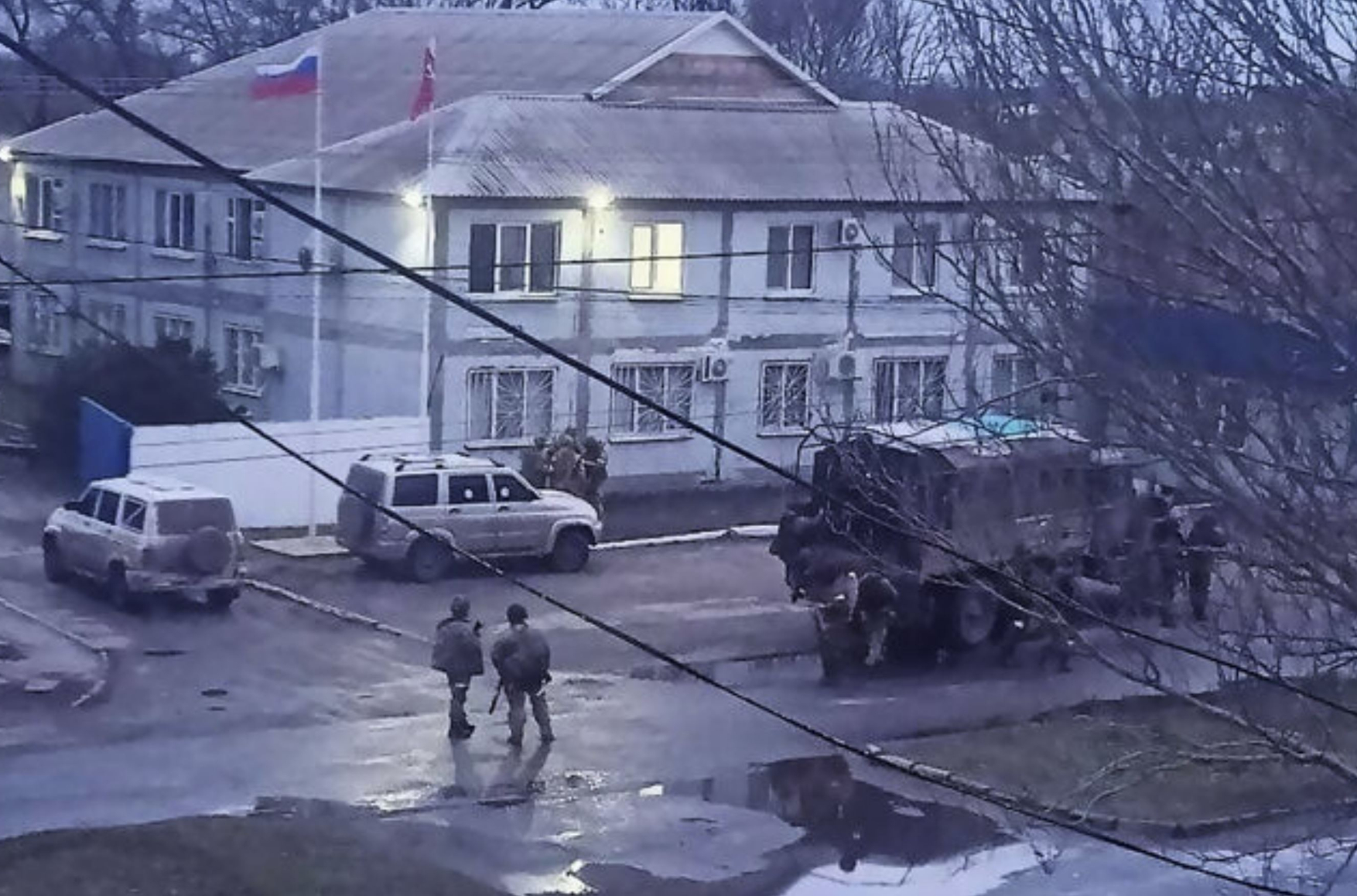
At the end of October 2025, the international tribunal in The Hague heard testimony from Olena Yahupova, a resident of the town of Kamianka-Dniprovska in Ukraine’s Zaporizhzhia Region. Recently, Yahupova shared additional details with The Insider, describing how she was abducted by Russian soldiers and detailing the torture and abuse she endured at their hands.
“People started disappearing from the very beginning”
“They suffocated us with bags, tortured us with electricity, simulated executions”
“They forced us to dig trenches and clear minefields”
“He said: if you don’t obey, I’ll shoot you. If you behave well, I’ll give you sausage”
Release
Searching for the culprits
A week after the full-scale invasion began, our town was occupied. First they entered Kherson Region through Chongar, and several hours later they were already to us. Some places saw fighting — Mariupol was practically wiped off the face of the earth. But it was quiet where we were. Perhaps because the Zaporizhzhia Nuclear Power Plant is 15 kilometers away — you would have to be completely insane to conduct heavy fighting there.
They introduced passport checks and a curfew. They started grabbing people off the streets, then going door to door. This is what they called restoring order — liberating us.
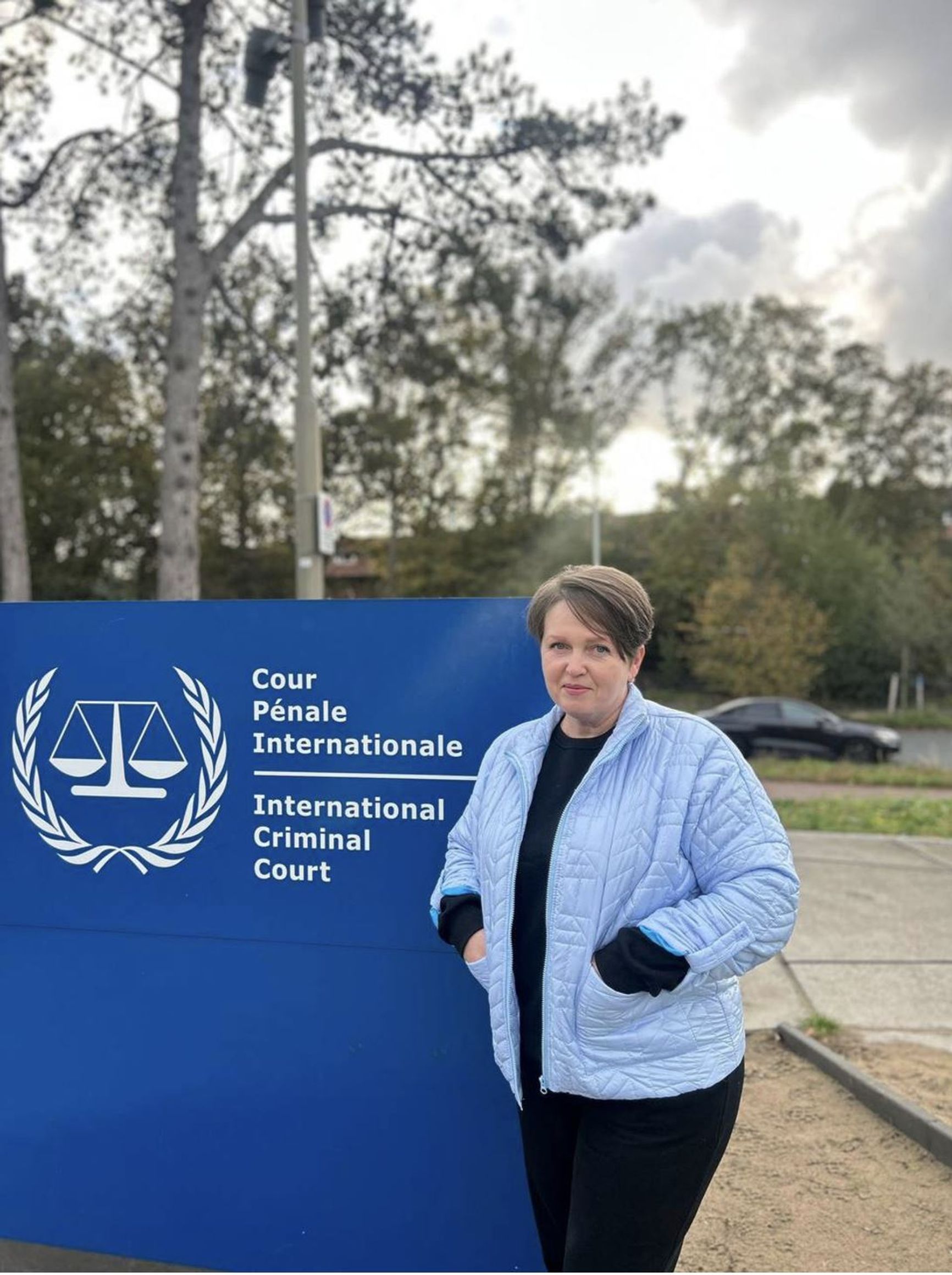
People began disappearing immediately, because the Russians’ first priority was to entrench themselves. They needed trenches and fortifications, and who was supposed to build them? Not them, if there were people around who could do it for free.
They grabbed everyone, including those who worked at the nuclear power plant, because it had to be maintained. They had lists of plant employees. Some may have stayed voluntarily, but those who hid and refused to work for the Russians were thrown into pits and tortured with electricity. Some could not endure it and agreed to cooperate. Others were forced to dig fortifications. Among my acquaintances, some never returned at all, and some, I know, are now somewhere in Mordovia, in pretrial detention — they were transported all the way there.
We had no means of communication. Ukrainian telecoms operators were no longer there, and towers from Ukrainian-controlled territory did not reach us. There was nowhere to get news, but local residents talked among themselves. People said: ‘someone was taken here, someone was taken there, someone stepped out of the house for five minutes and was immediately seized.’ For what reason? No one explained anything.
Some tried to leave. Some succeeded, but others were not allowed out. I did not even try — I was afraid, because many who left never reached Ukrainian-controlled territory and disappeared right at the checkpoint. I understood that if I vanished on the road, no one would even know about it. If they came for me at home, at least neighbors would see what happened and could tell my relatives.
They came for me on October 6, 2022. My husband is in the military, serving in the Armed Forces of Ukraine, and he was on duty at the time. I myself worked my entire life at the district administration. That made me suspect.
They had no warrants or charges. I went nowhere, participated in nothing, liked nothing online. But that guarantees nothing under occupation — you can do nothing and still be shot. A representative of the FSB came to me, introduced himself as Yan Vyacheslavovych Zanevsky, along with fighters from the so-called Donetsk “People’s Republic.”
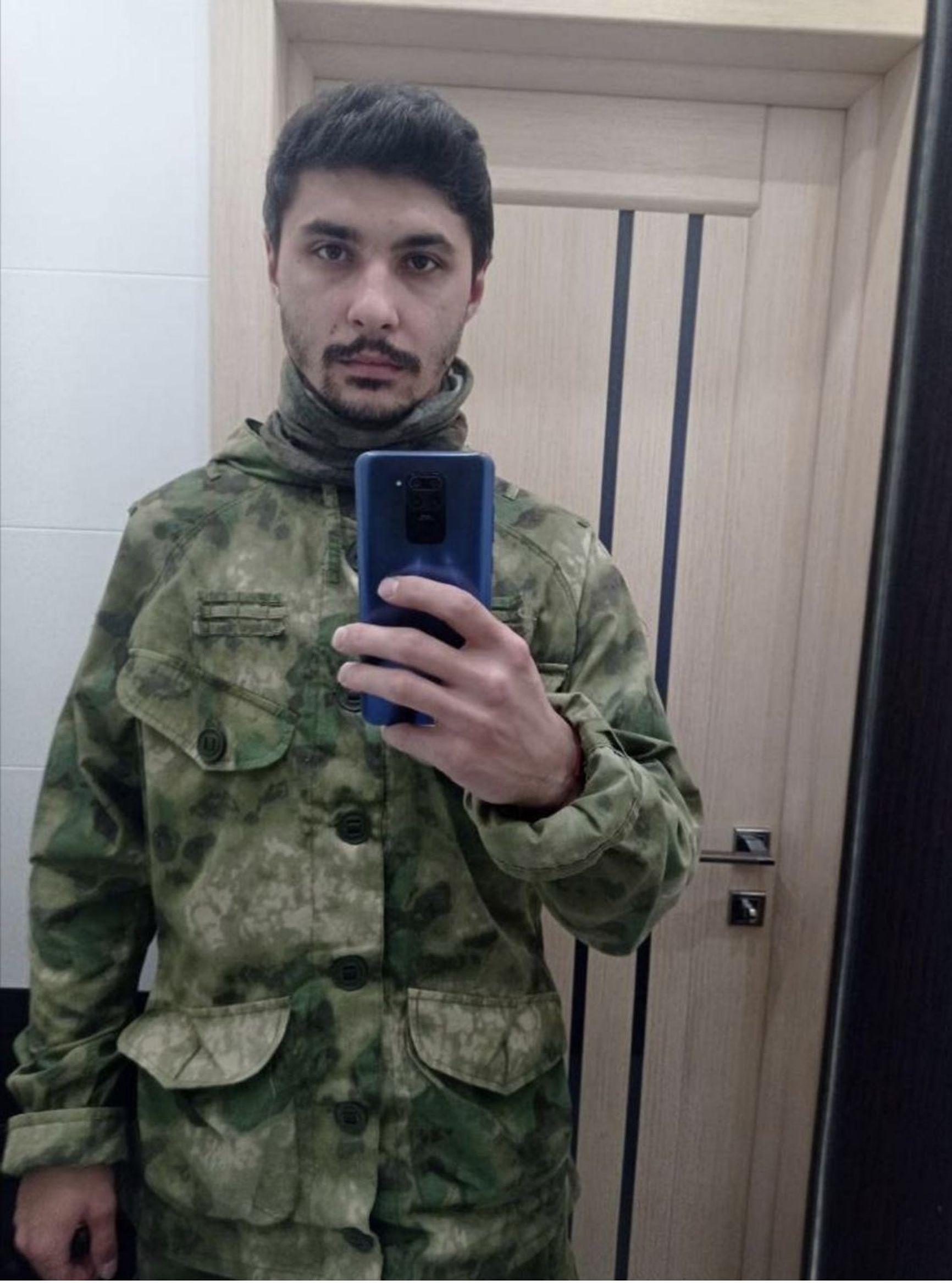
Zanevsky said: “You’re handing everyone over to the other side, we need to search you, and then put you to work.” They searched the house, but not to look for anything — they were just checking to see what they could take. Naturally, they later carried everything away. They took it away in my own vehicles — there were two cars, one my husband’s and one mine. The house was empty afterward.
They took me to the nearest police station on the same street. They brought me into an office, tied me to a chair, and started torturing me. They hit me on the head with a two-liter bottle, suffocated me with plastic bags and wires. They brought their own electricity and simulated executions — everything by the book, everything in their arsenal. They smashed my head. I had a closed traumatic brain injury, and two discs in my cervical spine were knocked out. They wanted me to slander myself or someone else. I did not even know whom I was supposed to choose.
They hit me on the head with a two-liter bottle, suffocated me with wires, simulated executions — everything by the book
They were not really trying to find out anything specific. Their main goal was for me to confess to something I had not done — for example, correcting Ukrainian artillery fire, or being the leader of some group carrying out sabotage in the summer, or engaging in some other activity, or participating in such a group.
The torture lasted two days. Then I spent four months in pretrial detention, sleeping on a cold floor with rats. I was simply held there without any charges. They said nothing. In detention, a guard gave me a book to read. “Read it,” he said, “it will come in handy — The Nuremberg Trials.” Apparently, they consider us Nazis. But that book is about them. I read it, by the way. And from that moment on, I believed that the criminals would be punished.
In pretrial detention, your goal is to survive one day. There are no plans about “when I get out.” Morning starts — make it to evening. Made it? Not a fact that you’ll make it to morning. Morning, you wake up…
In pretrial detention, your goal is to survive one day
At first I was alone in a cell. About a week later I was transferred to a cell with three bunks, but there were 10, sometimes 15 people in it. Almost all of us slept on the floor. It was cold — November, December. In December it was -20°C. No medicines, my head smashed, everything hurts, my blood pressure rising. You never know — maybe they'll shoot you today.
Wake-up was around six in the morning. But they did not take us out — we stayed in the cell all the time. They fed us once a day with some slop, soaked wheat porridge. There was no water, neither for washing nor drinking — they sometimes gave a little, on schedule, but very little. They loved forcing us to sing the Russian anthem at night, sometimes for two or three hours straight. You had to sing standing up, and at the same time the cells would be opened one by one and everyone was beaten with batons.
In my cell there were residents of nearby settlements. There were no political prisoners there — just ordinary people. Someone stepped out five minutes early or late during curfew, someone was reported by someone else. We were gathered simply to be sent later to labor camps. They threatened us, saying we were not yet in Russia — that this was still occupied territory, but once we got there, to Kolyma, we would never return.
The number of prisoners in the cell ranged from 10 to 15. People were taken away, we did not know where — maybe transported further along through the system. The prison space is limited — to bring in new people, they had to remove the old ones.
On January 18, 2023, I was sent from pretrial detention to a labor camp. Before that, they filmed videos showing that the person was supposedly being released — so that relatives would not search, and to remove responsibility from themselves. There are many such videos online. After I was free, I collected them — about myself and about everyone who was in the camp with us.
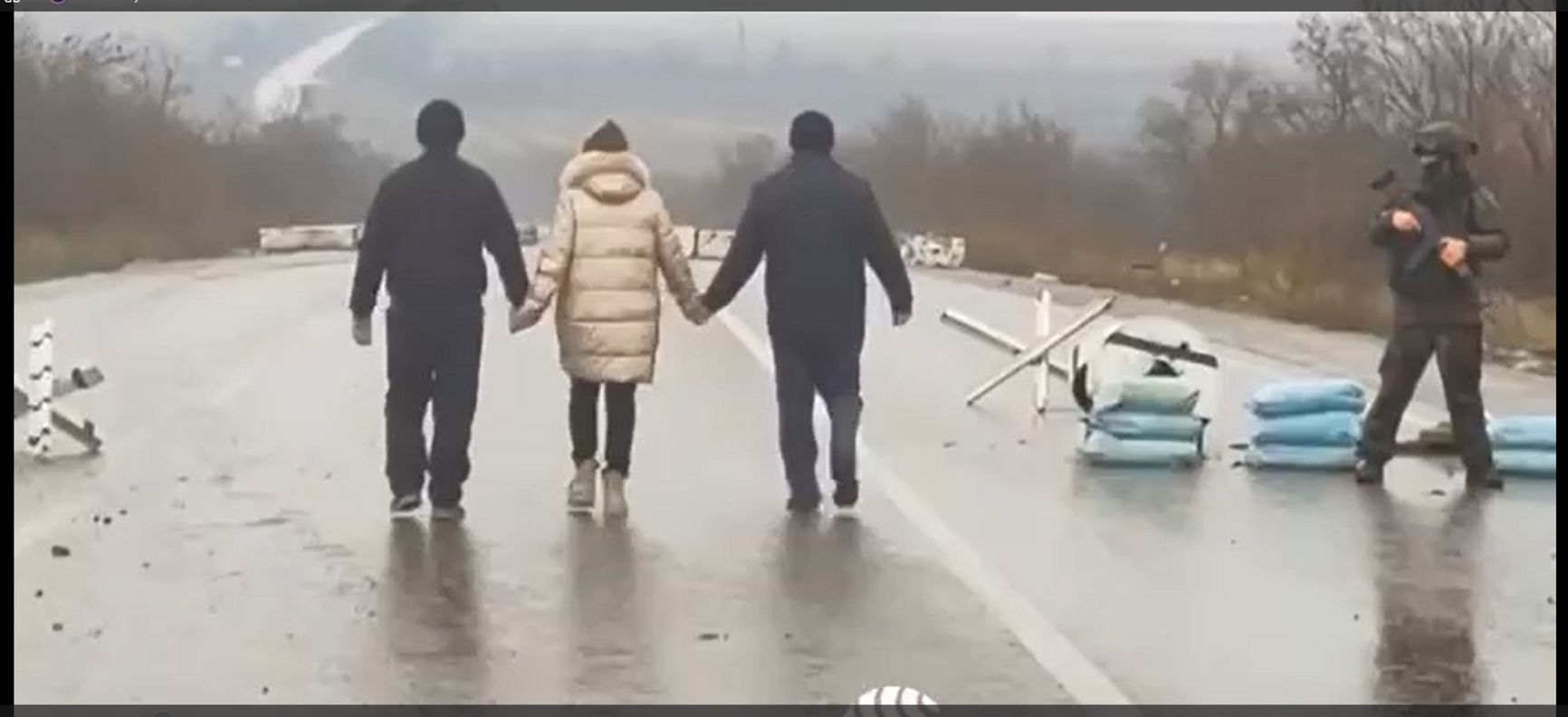
In the video, at the Vasylivka checkpoint, they read out a verdict saying that by decision of the head of the Zaporizhzhia Region, Yevhen Balytskyi, you are expelled beyond the borders of the Zaporizhzhia Region and will never return to Russia. They supposedly hand over the person’s documents, and the person walks away. [Russian state-controlled news outlet] RIA Novosti journalist Rostislav Zhuravlyov, who was there on January 18, commented in the video: “You see, we are letting them go to Ukrainian territory, and how they will be received there, we do not know.” So they show that people were released — but the people did not arrive in Ukraine. And relatives think they were killed somewhere on the road. But for us it was into the trunk and off to a labor camp.
Me and two other men were handed over to the commander of a Russian military unit in Krasnodar Krai. He gave us shovels and said it was time to work for the benefit of the Russian Federation — he said it directly, that we were slaves. We all slept in an abandoned shed on the floor, in a heap, men and women together. We were guarded by soldiers with assault rifles.
Wake-up at five o’clock. At half past five the guards arrive. They take us to the site and tell us what to do — for example, dig a certain number of meters of trench in an hour. If you do less, you will be shot.
It was all day — sometimes until eight or nine in the evening. Once I remember it went until two in the morning, once until six in the morning. It depended on how much work they needed done.
We dug new trenches, repaired old ones, built dugouts. Their dugouts there are multi-room — entire underground cities built by our hands. We cleared minefields. They give you a metal probe — you walk, probe, and extract.
They did not give us any clothing, even though it was winter. They had nothing to give out anyway, except maybe their old greatcoats. They fed us pasta with boiling water poured over it.
The work was extremely hard. Strong men broke their backs because the ground was frozen. They could not dig — they could not even breathe. Some had already been there for six months. They said: ‘one more week of this work and I will ask them to shoot me.’
Some of those who had already been there for six months said: ‘one more week of this work and I will ask them to shoot me’
If you are in labor slavery, sexual slavery is an inseparable part of it. You cannot tell a man with a gun, “I don’t want to” or “I won’t.” It is simply rape.
You have to cook, clean, and do the laundry in the houses they have seized. You have to fulfill their sexual whims as well. That happened to me too. An officer said: “Now you will stay.” I asked: “Why?” He answered, “You will live here with me.”
He said: “If you don’t obey, I’ll shoot you. If you behave well, I’ll give you sausage.” As if I had never eaten sausage. So someone comes, takes your land, your home, and also claims the right to take your life. But he might give you sausage.
There was another one — I did not live with him. He wanted me to stay, but I had a breakdown. I begged them to take me back to the jail, because I needed to be with my own people, there on the floor.
The hardest part was at the beginning — accepting that it would not be just once, that it would continue. That you are in slavery. There were few women there, mostly men. And no one talked about it. It was already so hard that no one wanted to talk about anything. Only later, after I got out, did I learn that there was sexual violence against men as well.
They did not think about the consequences. They could not imagine that we would end up free and alive. They were sure we were on a one-way road. But after one of the prisoners managed to call relatives, and the relatives started calling Moscow, the situation became public, and apparently they had to release us. Here too, you know, people can also disappear along the way, but they had to let us go.
On March 14, 2023, people arrived saying they were representatives of the Russian Interior Ministry’s criminal investigation department. They loaded us into a vehicle and took us to Melitopol, to a military base.
There we were interrogated for two days: about what we did in that camp, which commander gave which orders. And two days later, on March 16, 2023, they brought us to the Melitopol bus station — an ordinary city bus station. They put each of us on our own minibus. There were people from different directions, from the entire region. They warned us not to tell anyone — neither residents nor even the police — where we had been and what we had done.
I found a phone to contact my relatives, to say that I was alive and that I needed money to find transportation and to leave. I left via the Novoazovsk District of Donetsk Region, then through all of Russia, Estonia, Latvia, Lithuania, Poland, and went to Ukraine. I left on April 21 and entered Ukraine on April 28.
I myself went to the police to file a complaint and give testimony. I named the FSB officer — Yan Nikolayevich Zanevsky — and they had already been looking for him for about three months. There was a pretrial investigation, then the case was transferred to court, which lasted a year and a half.
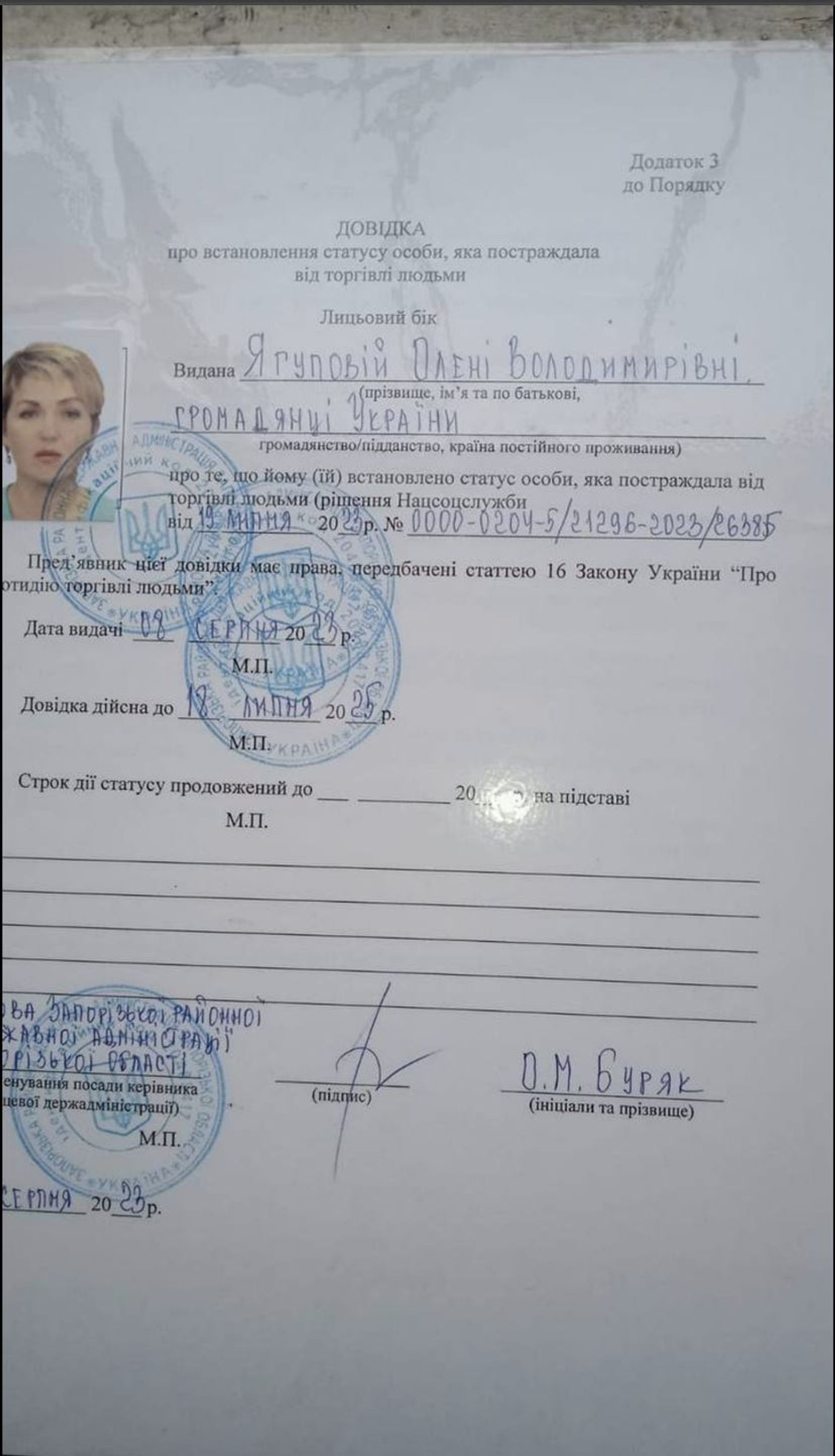
Now the trial has ended. It was in absentia, since Zanevsky is on Russian territory. In Ukraine he was convicted in absentia and sentenced to 12 years under Article 438.
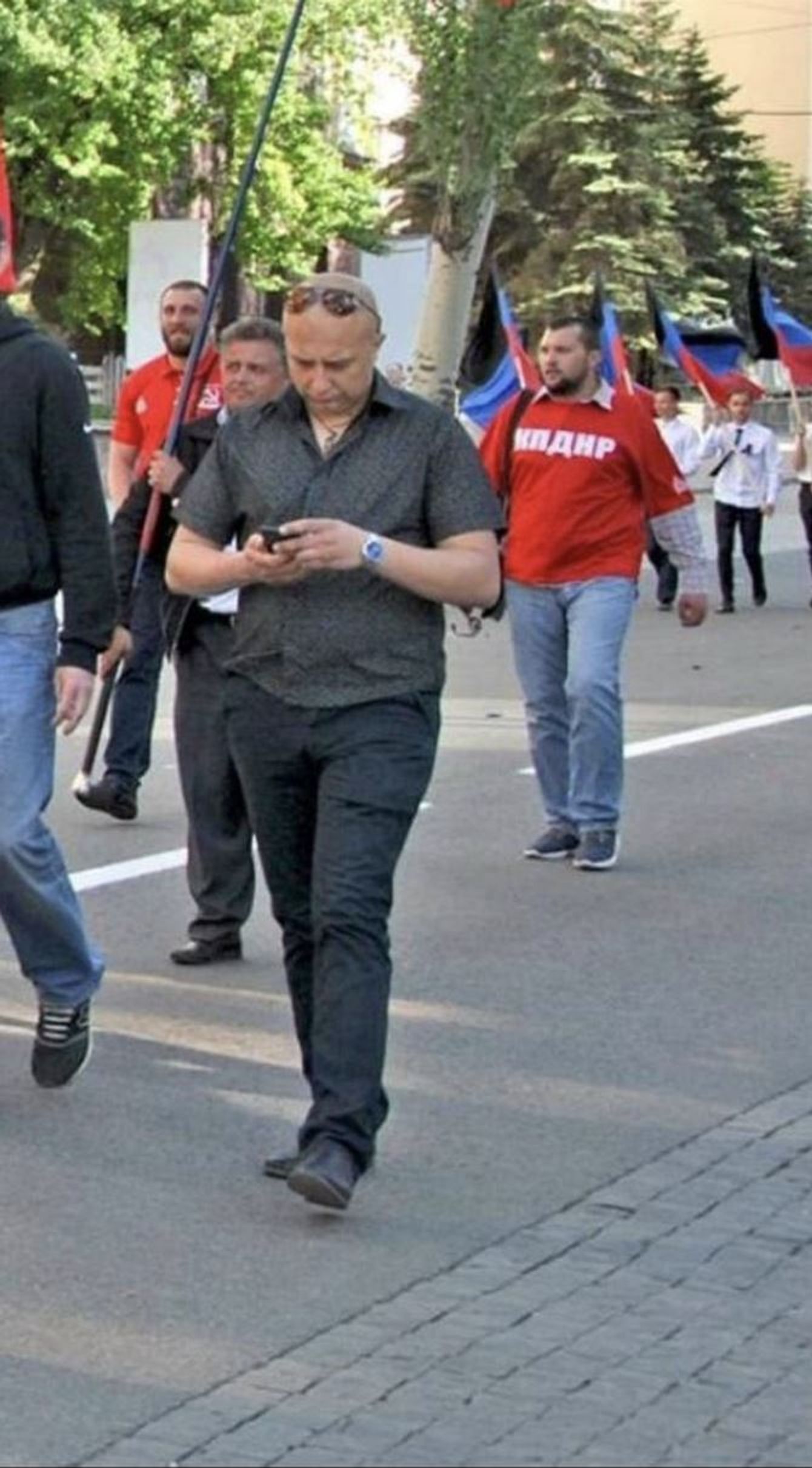
In the video where they simulated releasing prisoners before taking them to the labor camp, there is also a man with the call sign “Batman” — a human trafficker who was always in a balaclava. But we found him. I searched the entire internet for half a year. The Suspilne media outlet conducted its own investigation last summer — I helped them — and we identified him and now know who he is and where he is from. His real name — Roman Vnukov. There is a film on YouTube called Call Sign Batman. The Mystery of the Vasylivka Checkpoint.
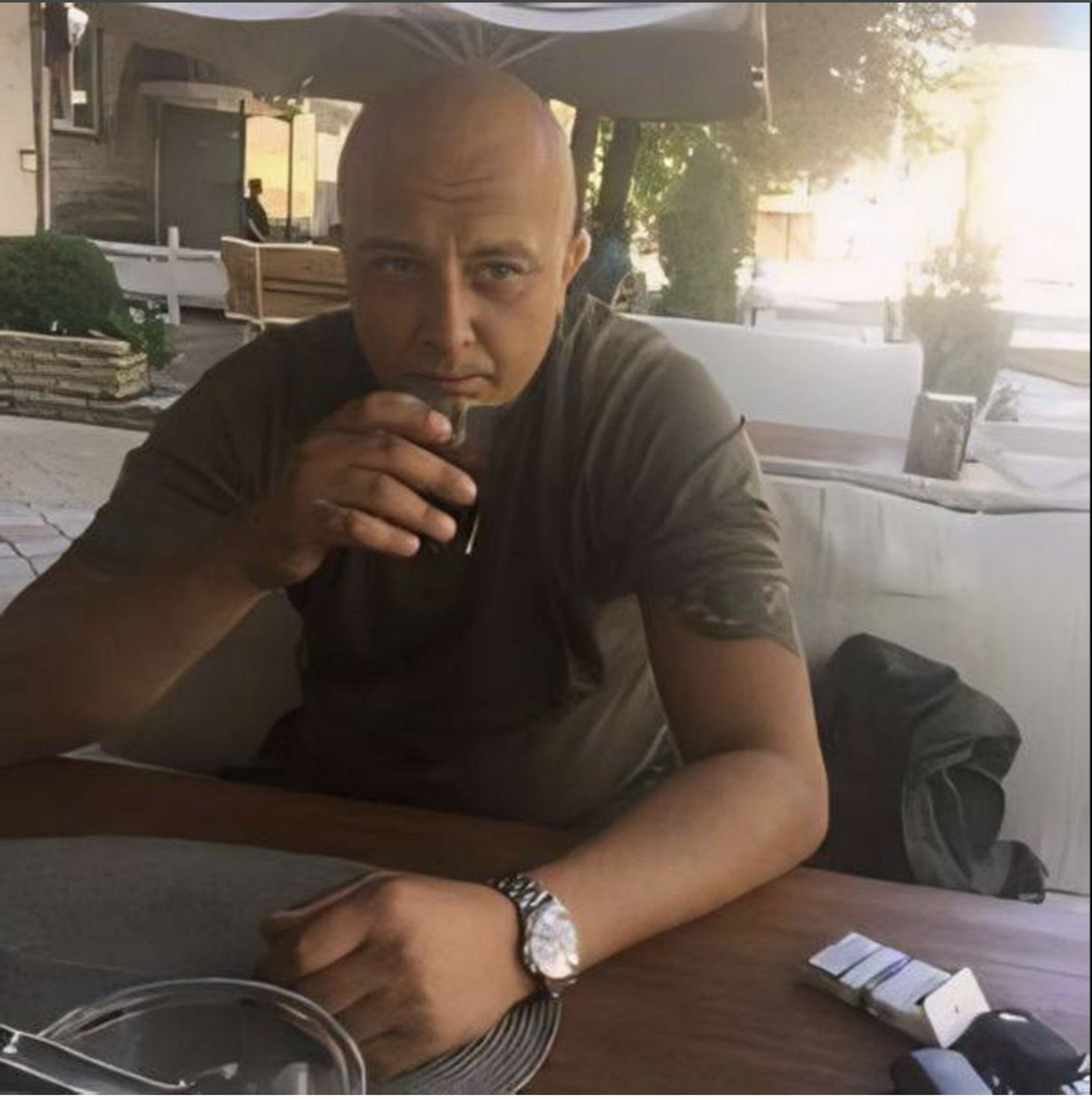
He is a significant figure — moving people from pretrial detention to camps. He invites journalists, has his own channel, posts everything there, and the rest goes to RIA Novosti. In short, he is apparently a failed filmmaker.
For me, Ukrainian victory would mean a tribunal where these criminals are punished. At the International Criminal Court in The Hague, they have already begun collecting evidence of crimes committed by the Russian army.
For me, Ukrainian victory would mean a tribunal where these criminals are punished
These people deprived me of everything — completely. A smashed head, traumatic brain injury, and damaged cervical vertebrae — I can no longer perform even the work I used to do, I am physically challenged. I have to work just to pay for medicine. The state does not help with medications. I pay for treatment myself. A commission confirmed the fact of captivity, and I received compensation — it's not a lot of money, but at least it's something.
К сожалению, браузер, которым вы пользуйтесь, устарел и не позволяет корректно отображать сайт. Пожалуйста, установите любой из современных браузеров, например:
Google Chrome Firefox Safari