News
Photo: dpa
The Kremlin-linked Matryoshka disinformation network has launched a campaign targeting German voters ahead of the upcoming regional elections in Bavaria and Baden-Württemberg, the Bot Blocker Project reports. As part of the campaign, the bots are spreading English-language videos on X featuring the branding of reputable media outlets.
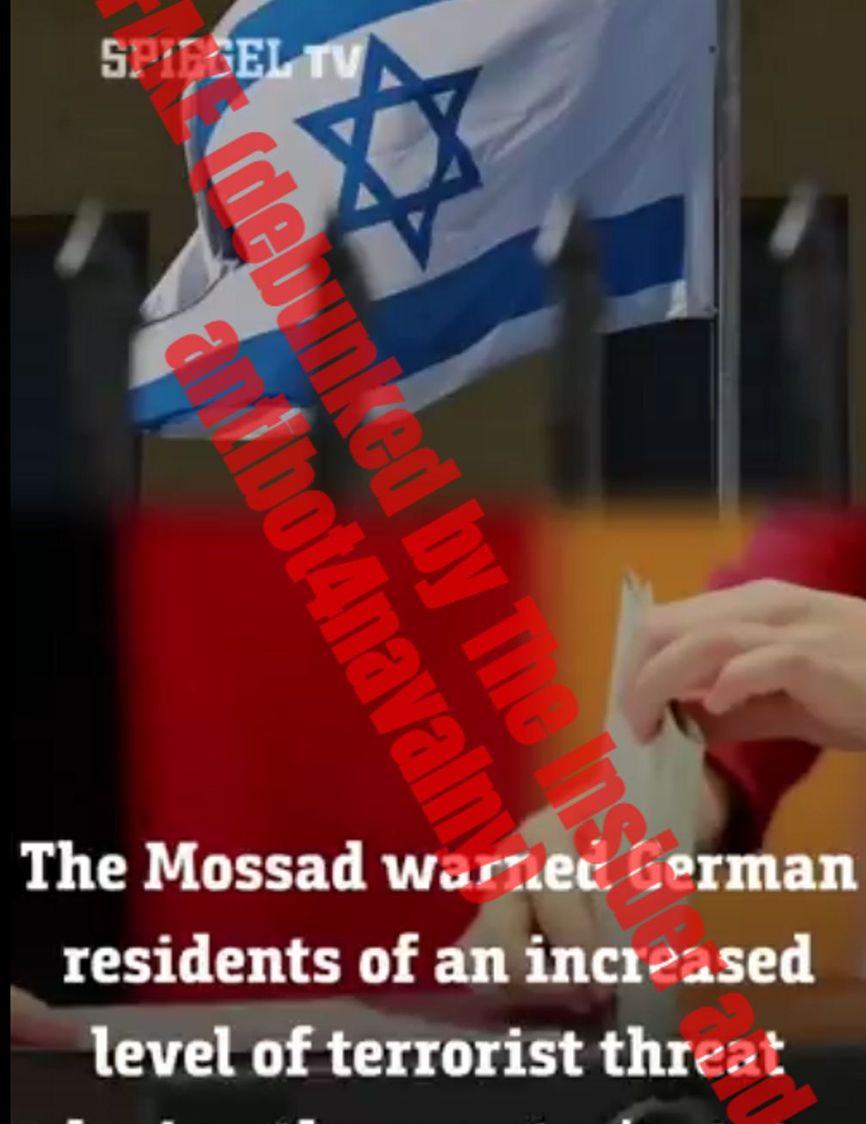
One of the videos, disguised as content from the well-known German publication Der Spiegel, claims that Israel’s Mossad intelligence service and the UN Counter-Terrorism Office have warned German authorities about an increased terrorist threat following the outbreak of active hostilities in the Middle East. According to the false “Spiegel” report, residents of Germany are being strongly advised to avoid public places, including polling stations. Notably, the Matryoshka network used similar rhetoric last April ahead of the presidential election in Poland, and in December the network spread claims of a heightened terrorist threat after a mass shooting on an Australian beach during the Jewish holiday of Hanukkah.
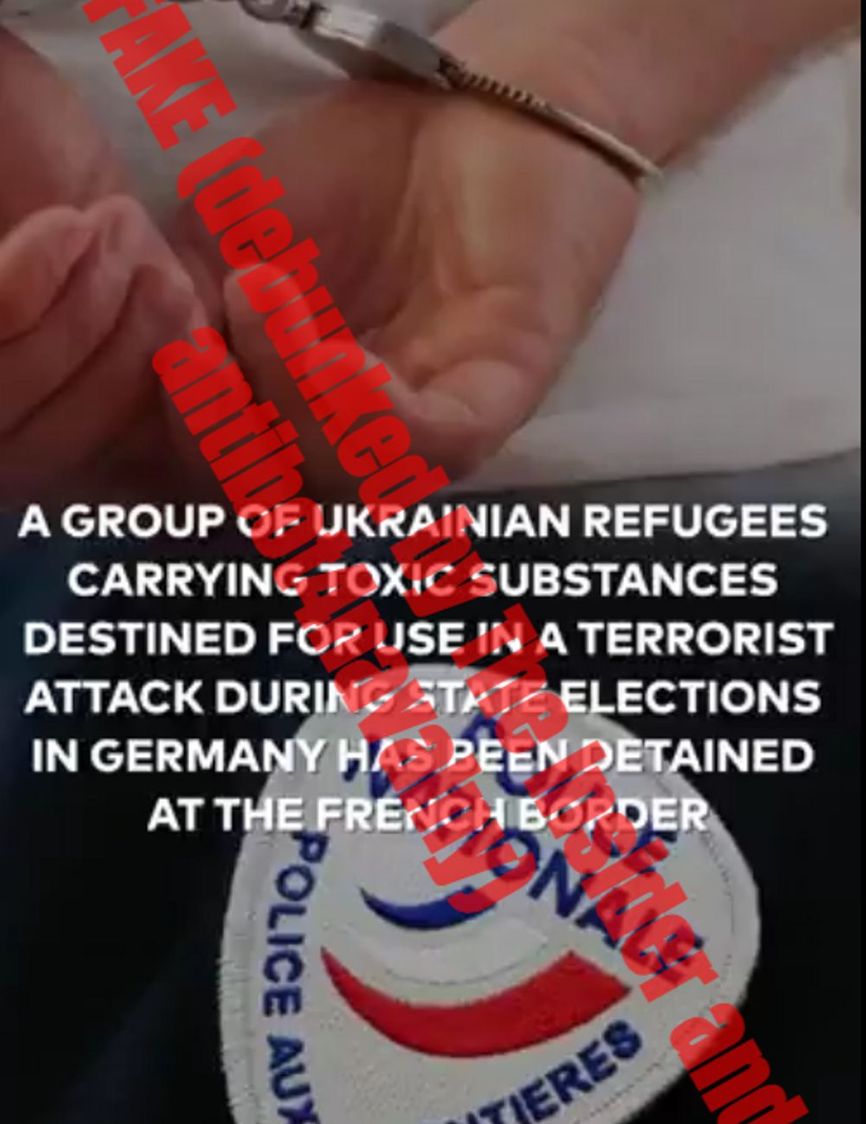
Another video, allegedly produced by the right-leaning outlet Die Welt, “reports” that a group of Ukrainian refugees was detained at the French border while attempting to bring a toxic substance into Germany. The fictitious refugees allegedly planned to poison envelopes containing fake ballots before mailing them to voters.
In another video, Matryoshka uses the branding of the investigative outlet Correctiv to claim that Germany’s ruling party, the Christian Democratic Union, is turning to Facebook to spread videos with false and discrediting information about its political opponents. Notably, in an earlier campaign the bots had accused the German authorities of distributing fake videos about preparing for war with Russia — allegedly in order to later blame the Russian intelligence services for creating the inauthentic content.

In total, the current Matryoshka campaign includes 10 unique videos, all of which relate in one way or another to the election. One claims that the CDU’s approval rating — falsely given as no higher than 7% — is too low for the party to be able to win the election; however, various real-world opinion polls estimate the figure at between 25% and 27% as of early March, slightly ahead of the second-place Alternative for Germany (AfD), which attracts between 23% and 25%. Another video alleges that the CDU’s rating dropped significantly after Chancellor Friedrich Merz’s recent visit to the United States, which is also untrue.
Ahead of the Bundestag elections of February 2025, Russia organized a large-scale disinformation campaign targeting German voters. It involved hundreds of fake news websites that spread fabricated “exposés” on German politicians. The operation was carried out by a group known as Storm-1516, which has been linked to the late Yevgeny Prigozhin’s troll factory and to Russian military intelligence (GRU). The Cyabra analytical group identified at least 1,000 fake X accounts created to influence the election. Many of them were used to amplify support for the far-right AfD. Simultaneously, the Bot Blocker Project uncovered a network of more than 700 accounts on X that were circulating AI-generated caricatures of Friedrich Merz in an effort to discredit him. Despite its scale, the campaign failed to have a significant impact on public opinion.
The elections to the state parliaments of Baden-Württemberg and Bavaria will take place on Sunday, Mar. 8, and will be the first elections of this level to be held during Merz’s chancellorship.