News
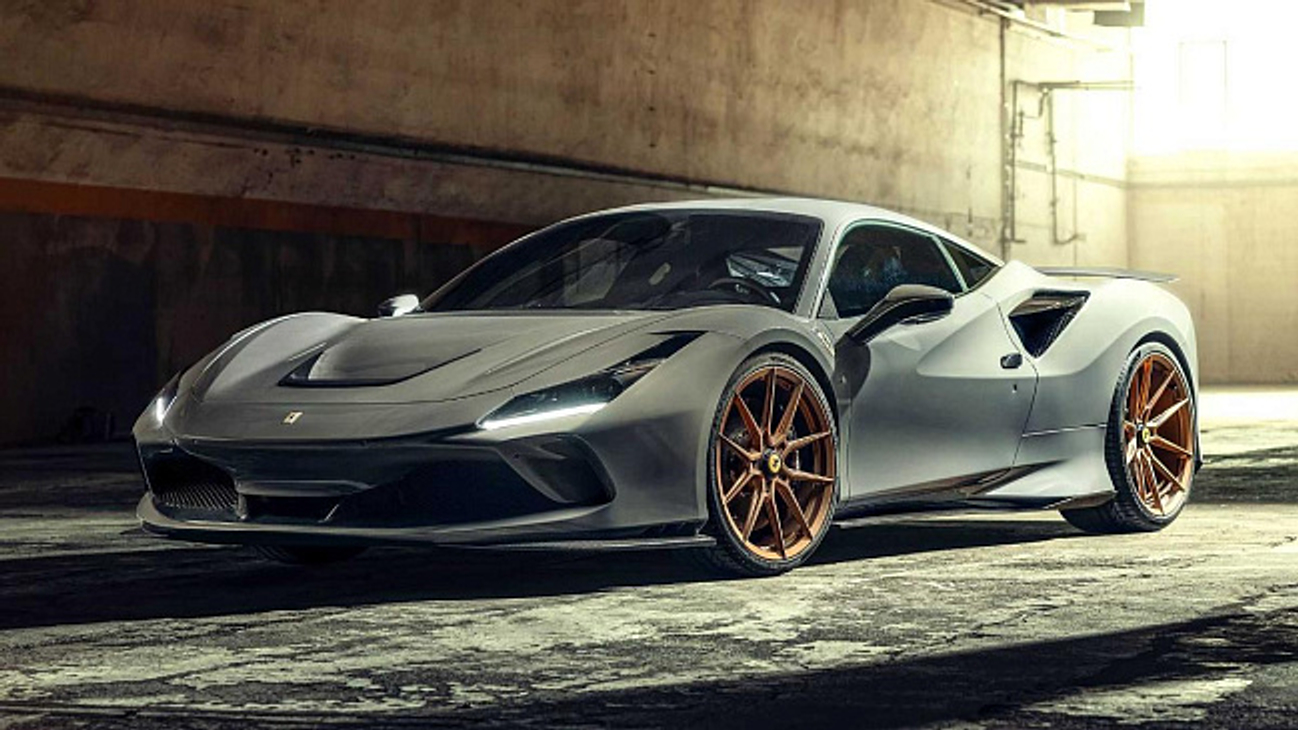
Since March 2022, 214 luxury vehicles worth 5.9 billion rubles ($75 million) have been imported into Russia in circumvention of European Union and British sanctions, according to an investigation by the TriTrace Investigations group. The recipients included families of sanctioned oligarchs, government contractors, senior managers of defense enterprises, and a key investor in a construction project in annexed Crimea.
The investigation found that despite EU and U.K. bans on exporting luxury goods (including premium automobiles) to Russia, shipments of high-end cars continue through parallel import schemes. The researchers’ dataset included Bentley, Ferrari, Lamborghini, Maserati and Rolls-Royce vehicles brought into Russia after the start of the full-scale invasion of Ukraine in 2022.
Using open-source intelligence methods, as well as analysis of transport data and financial links, investigators determined that the shipments originated from at least 15 countries, including Armenia, Belarus, Kazakhstan, Kyrgyzstan, Turkey, China, South Korea, the United Arab Emirates, and a handful of EU member states — the Czech Republic, Estonia, Germany, Italy, Lithuania, and Poland. About half of the import transactions were paid for in euros and U.S. dollars, meaning they passed through European and American banking systems, potentially allowing regulators to track the payments.
The largest Russian importer identified was the Autodom car dealership, which accounted for about half of all vehicle shipments in the sample. Other major importers included the companies Shtern, Tochnye Postavki, Autobuy, and Premium Source. The suppliers were firms registered in Kazakhstan, Belarus, Armenia, Turkey, Hong Kong, Estonia, and Italy.
The investigation documented cases of direct deliveries of luxury cars from EU countries to Russia after sanctions were imposed, including shipments of Maserati vehicles, as well as cases of re-exports through third countries. In one instance, Bentley cars were delivered to annexed Crimea.
TriTrace Investigations said that despite tougher sanctions, Russia’s luxury car market continues to function. Since 2024, the EU has introduced a “No Russia clause,” requiring European exporters to include bans in contracts on reselling vehicles to Russia. If a car is found in Russia, European authorities can trace the entire supply chain and hold the exporter accountable.
TriTrace Investigations is a team of investigators that describes its work as “focusing on specific tasks: identifying assets, establishing affiliations, determining ultimate beneficial owners, uncovering intermediaries, confirming violations of sanctions regimes, proving the origin of goods and much more.”