News
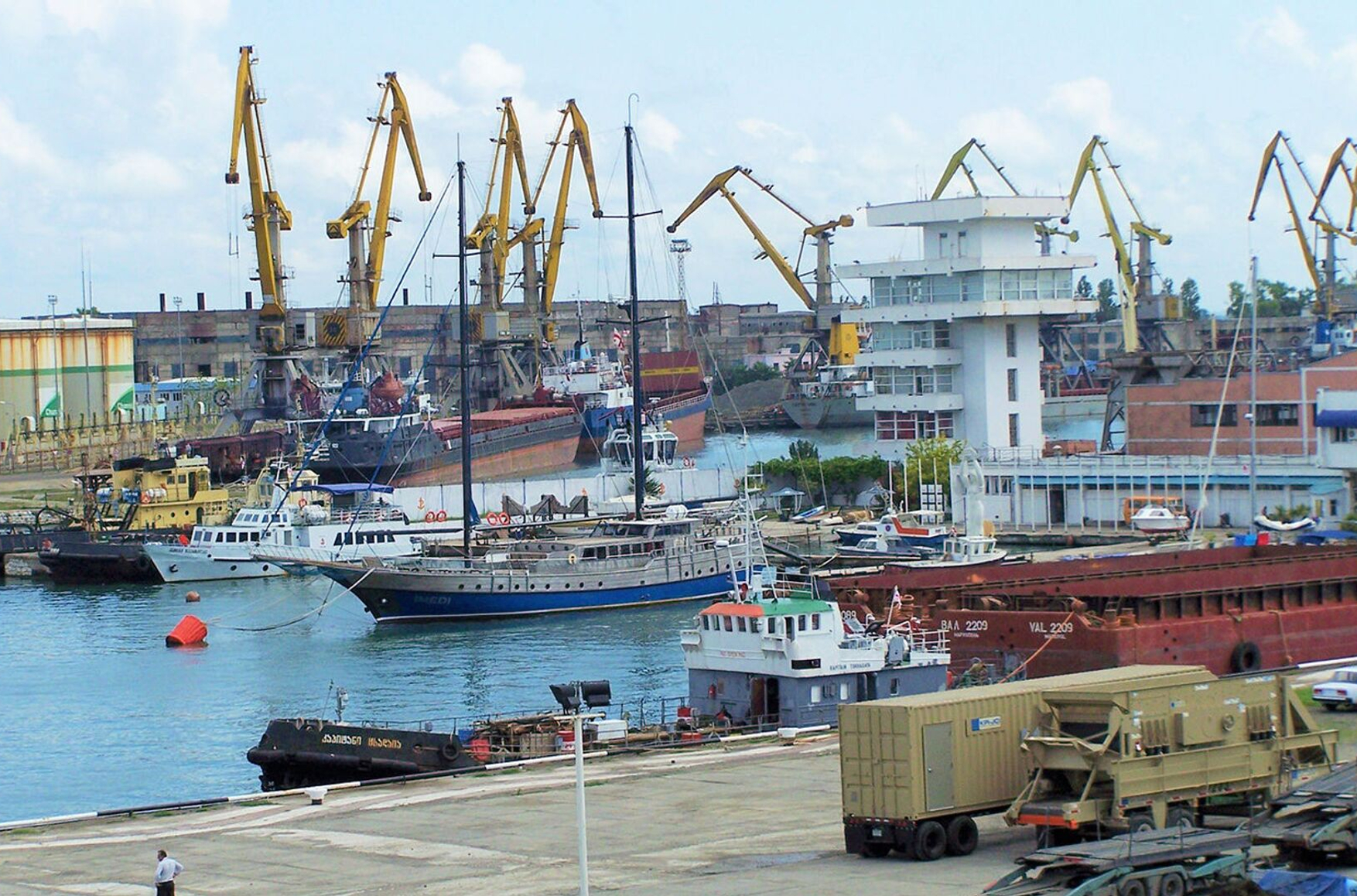
Port of Poti, Georgia. Photo: Wikipedia
Oil tankers operating in the Black Sea between Russian and Georgian ports are frequently turning off the Automatic Identification System (AIS). The irregularity was reported by the investigative project iFact, a Georgian partner of the Organized Crime and Corruption Reporting Project (OCCRP).
Journalists analyzed maritime shipping data from 2024 to 2026 and found that at least 19 vessels switched off AIS trackers after leaving Russian ports and entering open waters. At least 11 of them were carrying oil, while the cargo on the remaining eight could not be reliably identified. Gocha Beridze, a former senior official of Georgia’s border police and coast guard who left the service in 2023, said he had documented numerous cases of Georgian ports and waters being used “to circumvent sanctions through various tricks and methods.”
One of the tankers, Waler (IMO: 9393668), flying the Panamanian flag, entered the port of Poti at least twice — in December 2024 and February 2025 — with oil cargo from Russian ports. The vessel’s transponder was turned off during both voyages.
In December 2025, Ukraine imposed sanctions on Waler, stating that the tanker was involved in the export of Russian oil, including through the use of “deceptive practices.” iFact reports, citing corporate documents, that the vessel is operated by a Turkish company. Georgia has not joined the sanctions imposed on Russia over its invasion of Ukraine; however, Georgian officials have repeatedly stated that Russian oil and petroleum products subject to sanctions are not transported through the country’s territory.
Under international maritime law, vessels are required to keep their AIS signal on throughout the entire voyage. According to a report published last year by the Royal United Services Institute, oil tankers from Russia’s “shadow fleet” frequently switch off their AIS systems as one of several tactics used to “avoid detection and enforcement” of sanctions.